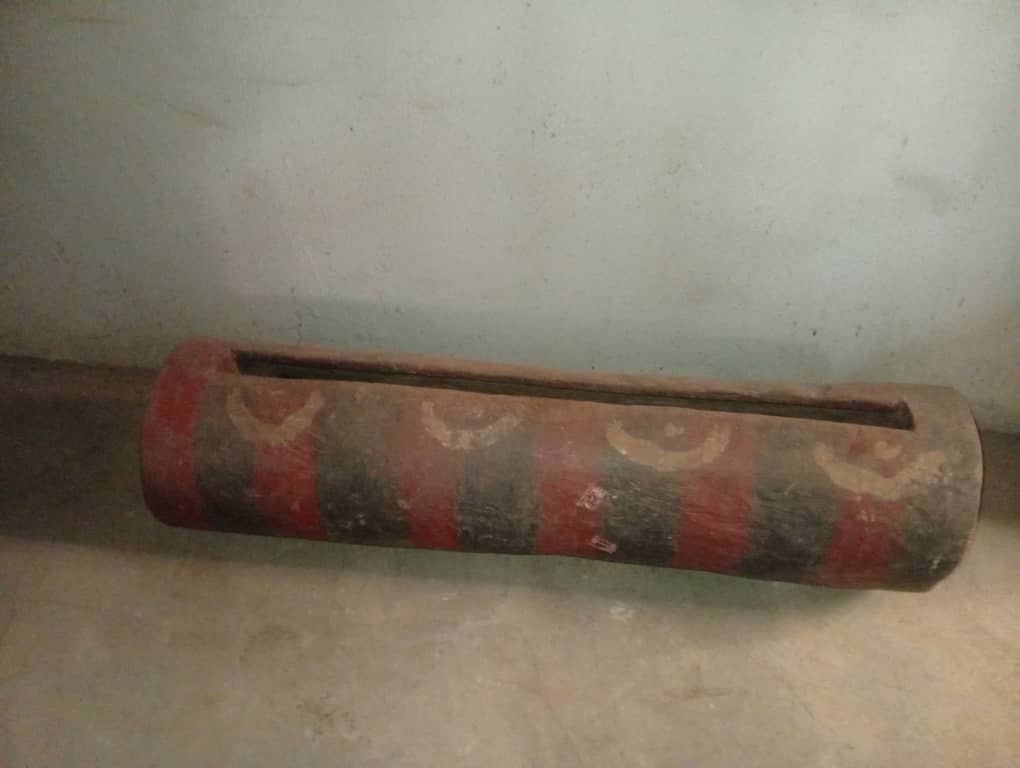
Ikoro: Aesthetics, identity, and cultural continuity
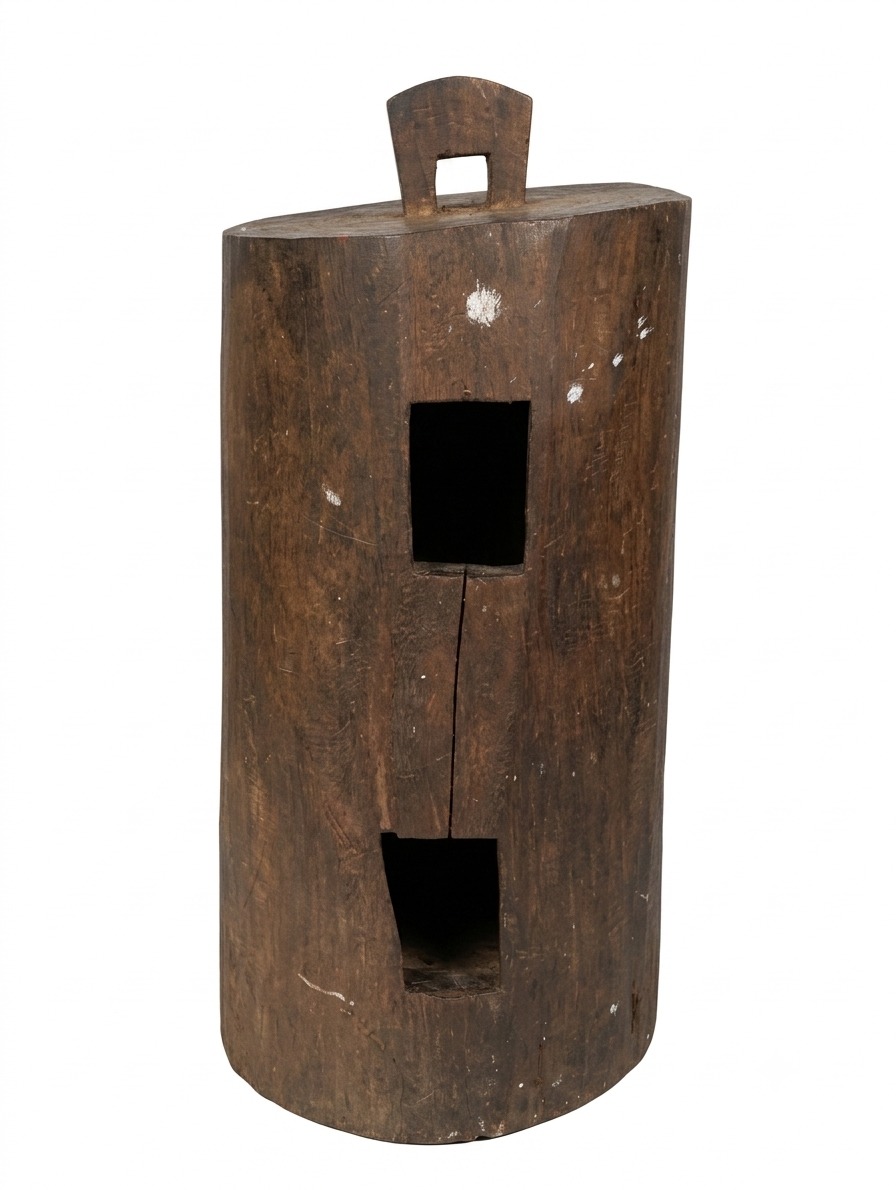
The Ikoro slit drum can be understood as a powerful symbol of communal identity and unity among the Igbo people. This research examines the geographic distribution of the instrument, its formal characteristics, and its diverse uses across Igbo cultural regions. Combining historical sources with primary data gathered through observation and interviews, the study applies historical, functional, and aesthetic approaches to explore the drum’s cultural significance. The Ikoro and its aesthetics reflect traditions that have endured over time, despite the challenges posed by (post)modernity and the influence of imported religions. The research highlights how a cultural object can carry, transform, and communicate meaning across different historical periods and regional contexts.
This article is available on Google Scholar
Interview with Dr. Ndubuisi Nnanna about researching the Igbo Drums
ZMK: How did you get the idea to research the Ikoro Slit Drum?
N. N.: In most parts of Igboland, especially the ones mentioned in the paper, the Ikoro drum tradition is gradually going into extinction as a result of modernity and associated cultures, for instance Christianity. Some Christians regard the Ikoro drum as a fetish object and so the radical ones go all out to burn the safe places where the drums are stored. Only a few of the drums survive the attack. Therefore, one motivation for the research was the need to preserve the history of the Ikoro drum as a cultural artefact. So, the paper could be said to represent an attempt at indigenous knowledge preservation. Another dimension to the problem of research is the fact that the younger generation does not appear to be interested in the Ikoro drum tradition. Therefore, failure to document the knowledge of it would undoubtedly lead to a knowledge gap, which could pose a problem in future oral history transmission.
ZMK: Where does the word “Ikoro” come from and what does it literally mean?
N. N.: The word is actually the name of a dance, which is attributed to the drum. It is called the Ikoro dance and it is the ritual dance of a cult group called the Ozo title group. The dance is esoteric and the Ikoro drum is the principal instrument, which produces the intricate and highly symbolic rhythm to which the titled group members dance.
ZMK: What was the most interesting story your interview partners told you about the drum?
N. N.: The story about the Ozo dance step was easily the most interesting one because the dance is complex and highly stylized so that non members of the group become confused when it is going on. To the non-initiate, the dance steps are meaningless and contradictory, because they do not appear to follow the rhythm of the drums. One has to undergo some tutelage as part of the cult group’s initiation process, to understand the intricacies of the Ozo dance steps, which symbolically communicate deep meaning to the initiated. So, the Ikoro dance represents a cultural thesaurus of sorts.
ZMK: Does the drum play a role in neighbouring ethnic groups?
N. N.: Yes, it does in some of them. For instance, among the Igala ethnic group in Kogi State. The Igbo and the Igala share traditions. For instance, the Ikenga object, which in Igbo culture represents the spiritual authority of a man, is also found among the Igala people who call it Ikanga. While I do not know for certain, which tribe borrowed from the other, the Ikoro tradition exists in both ethnic groups and it plays the same cultural role among them.
ZMK: Can you think of any other object carrying strong meaning in Nigeria and if yes, what?
N. N.: Yes, but some of them are not musical instruments. The Ikenga, which I mentioned earlier is one of them. It possesses strong spiritual / social power and value. There are personal, family, and community Ikenga, and these are regarded as bestowing some levels of spiritual and political authority to those who hold them, performing different functions according to their state. For example, the personal Ikenga bestows individual authority on a man, allowing him to administer his family and personal estate while the community Ikenga, which belongs to the community is held by the eldest man and the chief priest, who are the only ones permitted to pour libations on them on behalf of the community. Some musical instruments, like the metal gong, also have strong cultural significance and meaning, although not spiritual so to say. But there are mainly for aesthetic and entertainment purposes, although the music they produce could also have ritual significance, for instance for the invocation of gods and other spiritual entities.
ZMK: Does the Ikoro drum inspire young artists and if yes, how do they further develop the tradition?
N. N.: In art, especially in the Nsukka Art School, we are trying to revive the Ikoro tradition, and that is also one of the things that prompted our research leading to the paper under discussion. The idea of natural synthesis played a role in forming our research objective. The aim was to identify old and fading traditions and inculcate modern/western knowledge to see how they could fit to produce valuable and sustainable knowledge by engaging students and faculty in writing and other research activities, including performance and media practices.