Welcome to the Centre of Media Culture

The Center for Media Culture at Landshut University serves as a central point of contact for questions relating to media culture. It promotes interdisciplinary exchange and collaboration with academic, artistic, and economic institutions, while fostering the transfer of scientific knowledge into practice and the public sphere. Through seminars, workshops, conferences, publications, and exhibitions- both online and on-site – the center creates spaces for dialogue, reflection, and creative collaboration.


Gaste

Featured Works

Chora

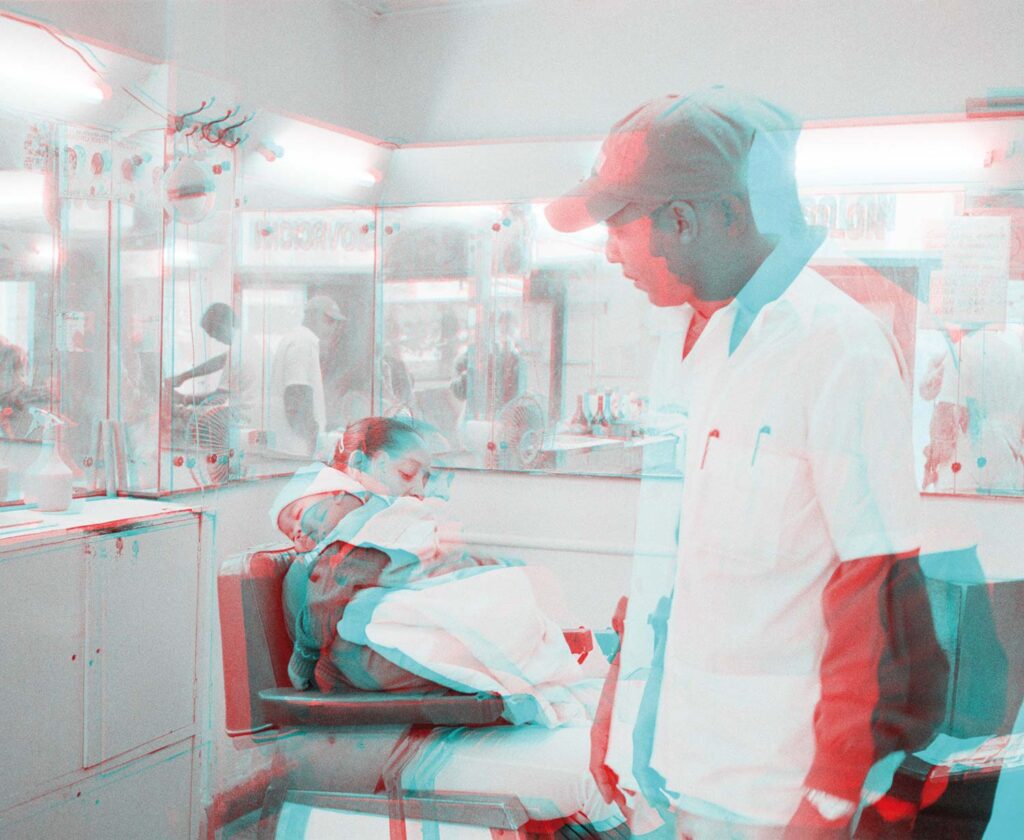
The photographic series “Chora” is created using an analog stereo process. By utilizing red-green glasses, it produces a three-dimensional depth that enables an immersive experience of the depicted scenes. The title refers to Plato’s concept of “Chora” as the primordial space of becoming. Sunder-Plassmann views her works as the visual localization of fleeting realities. The series displays everyday Cuban scenes within the tension between stagnation and change, while simultaneously making social fragility tangible…

De Profundis

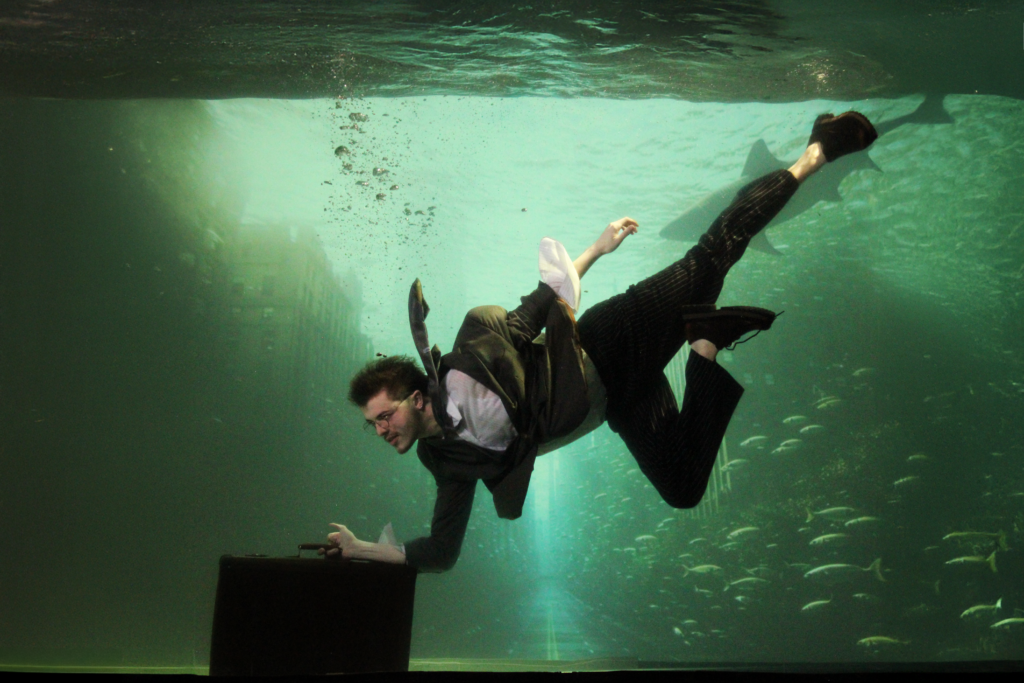
Students enrolled in the New Media and Intercultural Communication programme at Landshut University of Applied Sciences regularly venture into unfamiliar territory – this time underwater. An aquarium was transformed into an experimental space for visual storytelling. Amidst floating fabrics, refracted light reflections and the unique dynamics of the element of water, storytelling was explored in an extraordinary medium.
The resulting visual worlds take up familiar myths and narratives and reinterpret them: sirens appear not only as beguiling creatures between seduction and danger, but as ambivalent figures between worlds, as many of us may feel…

Pattern Of The Earth

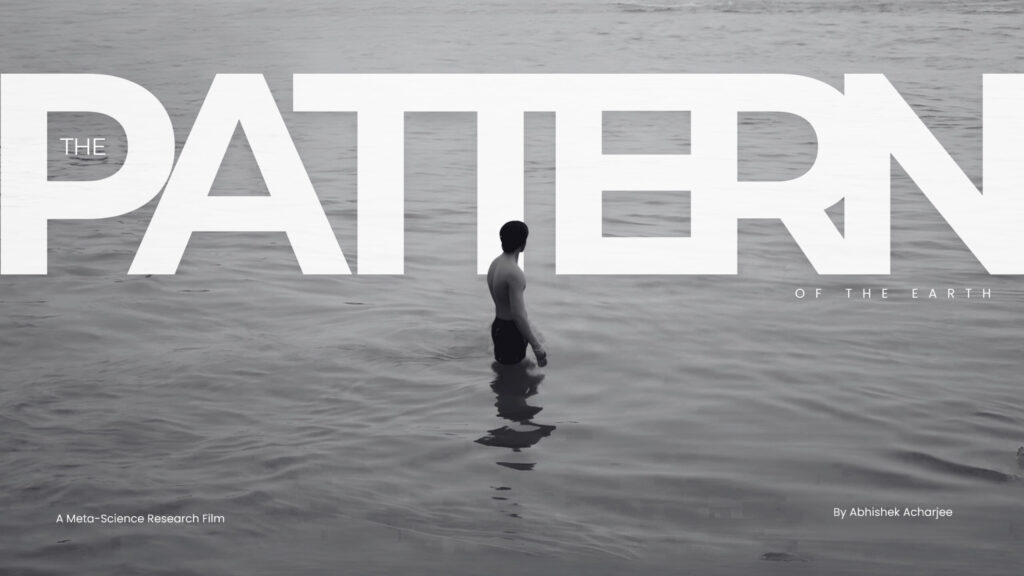
This project examines knowledge not as a fixed possession, but as an ongoing, provisional process shaped by perception, framing, and interpretation. It introduces “zero” as an epistemic baseline—a state in which observation precedes judgment and assumptions are minimized. From this state, meaning emerges through perception, with the observer playing an active role in constructing knowledge rather than passively discovering it. As observations accumulate, patterns form and understanding stabilizes, often creating the illusion of completeness…