WabiSabi
Wabi-Sabi: Appreciating the Imperfect and Impermanent Nature of Life
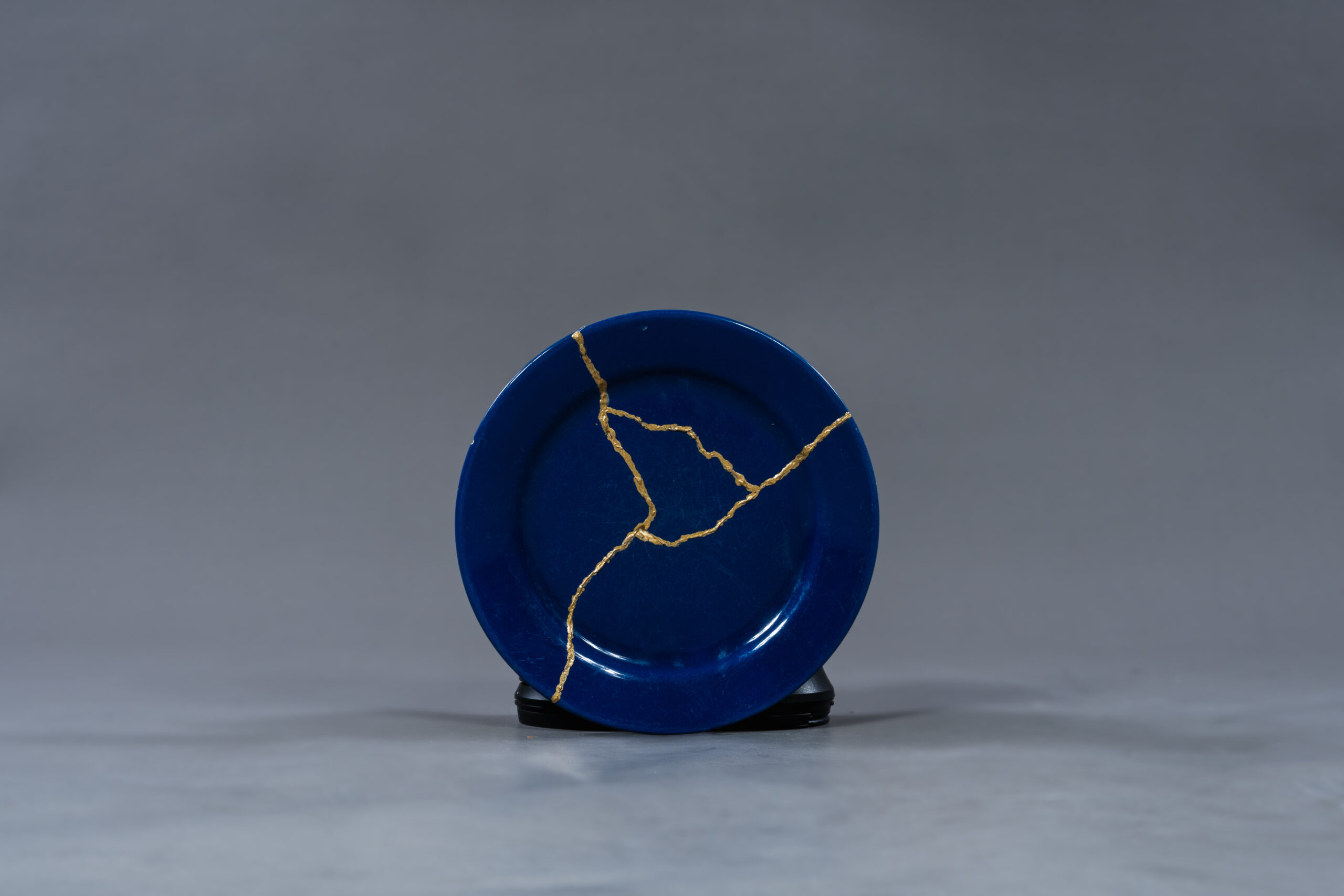
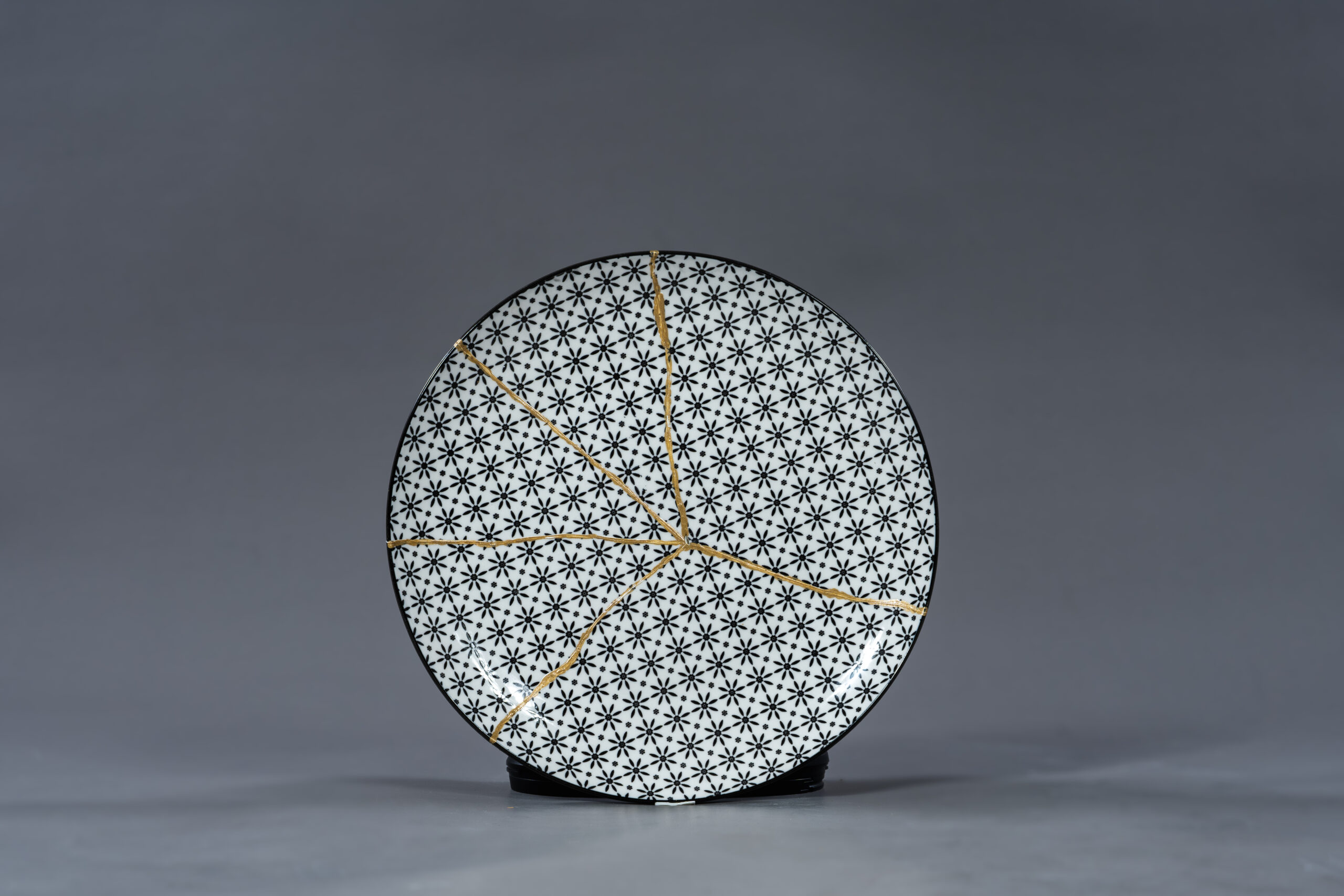
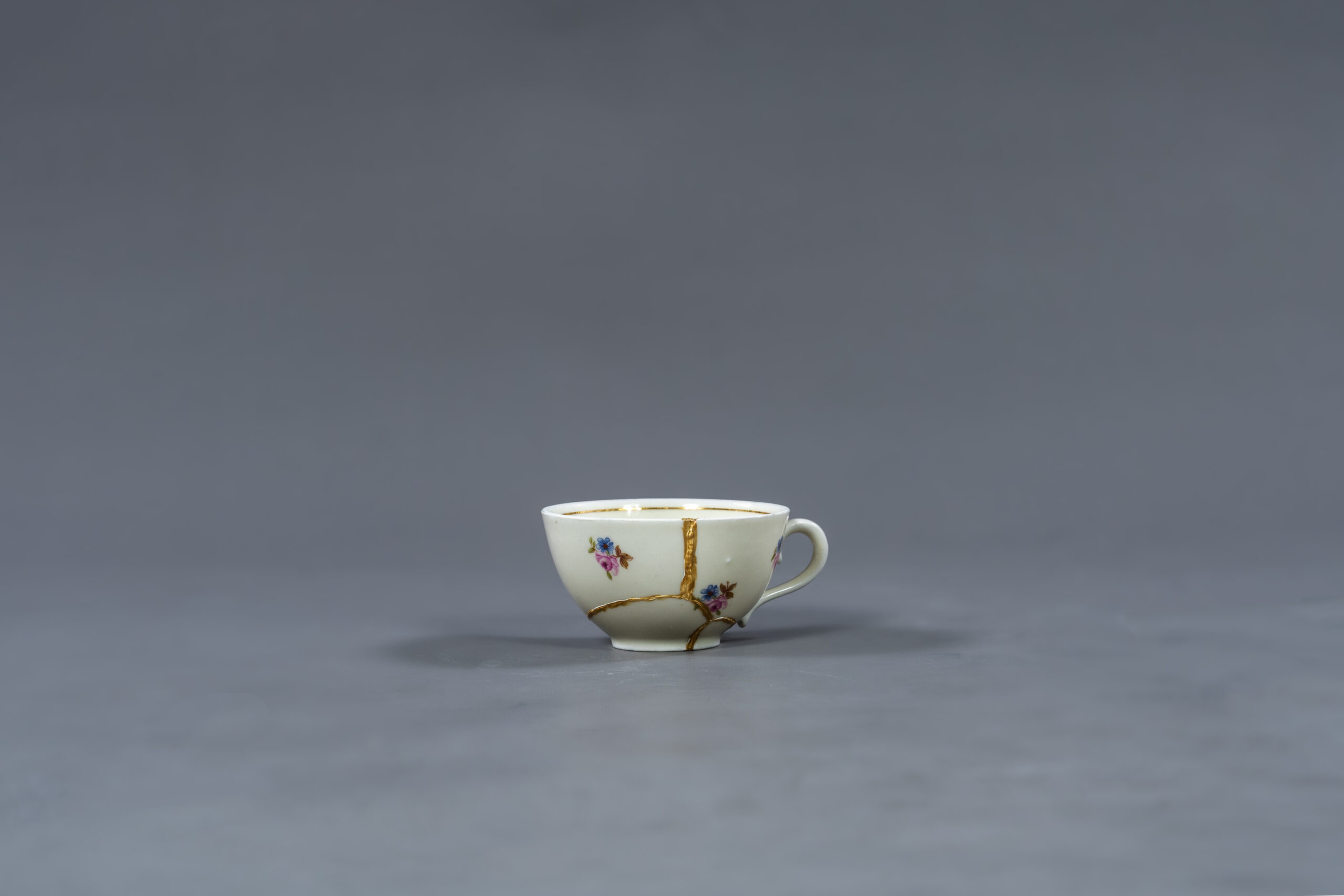
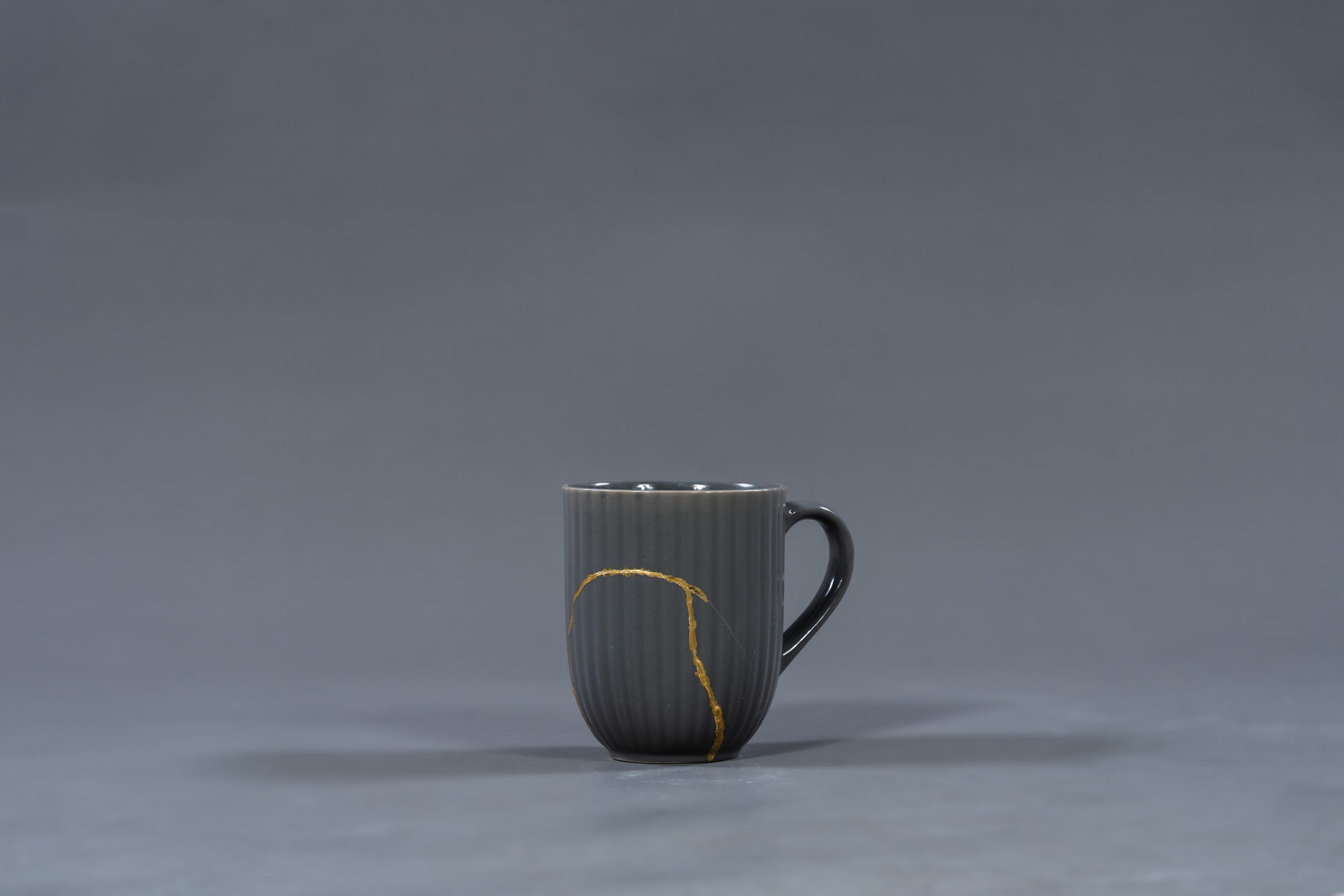
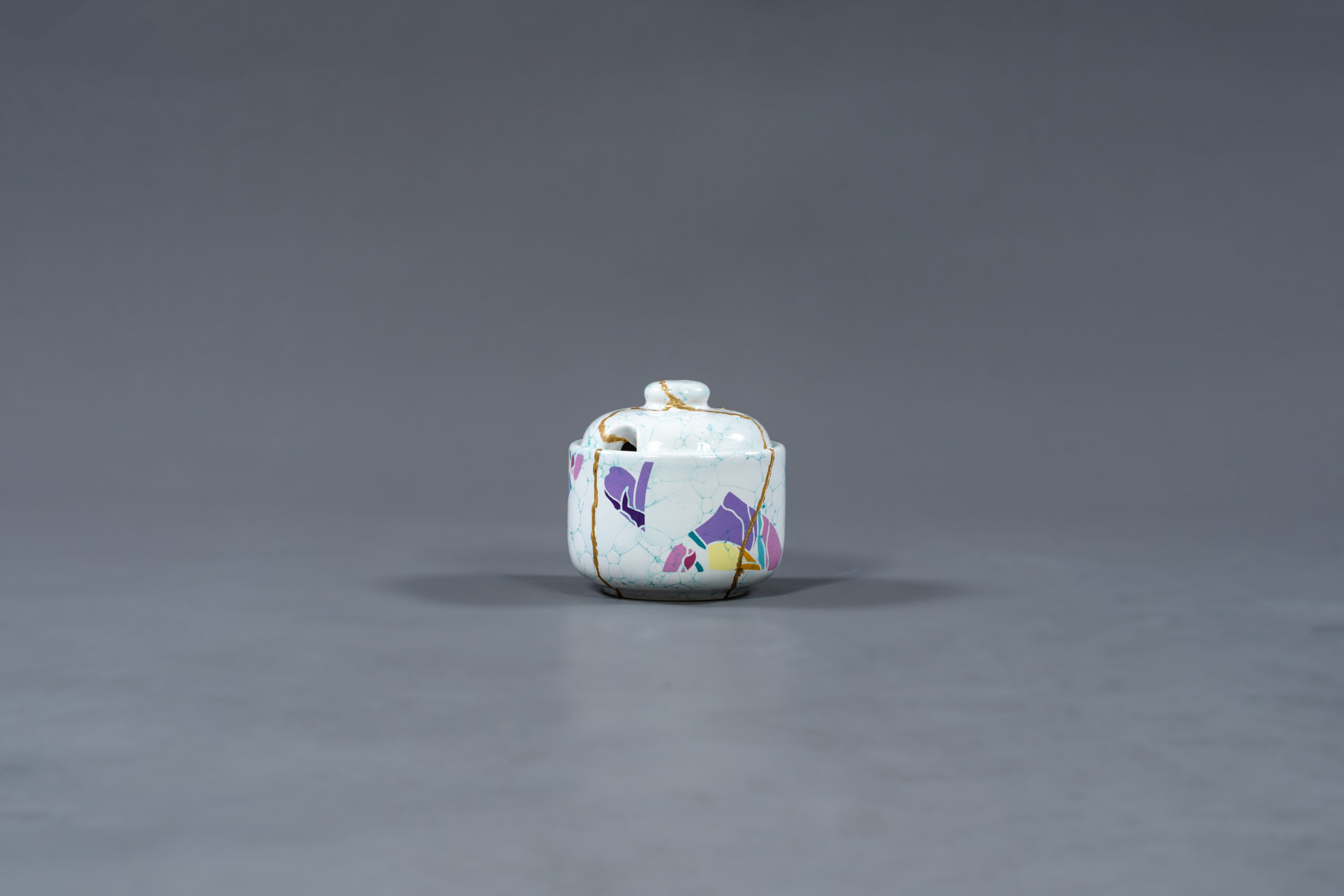
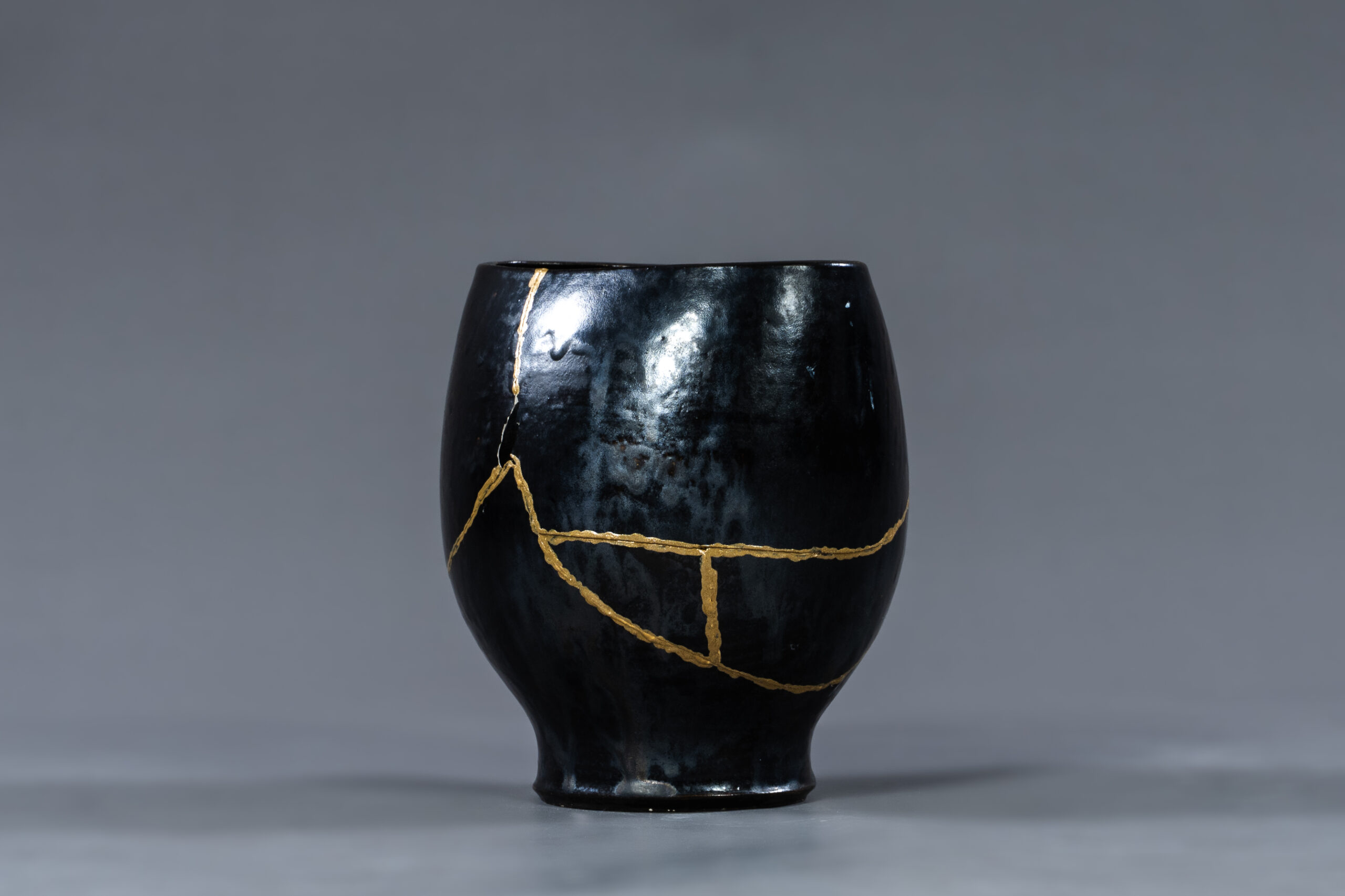
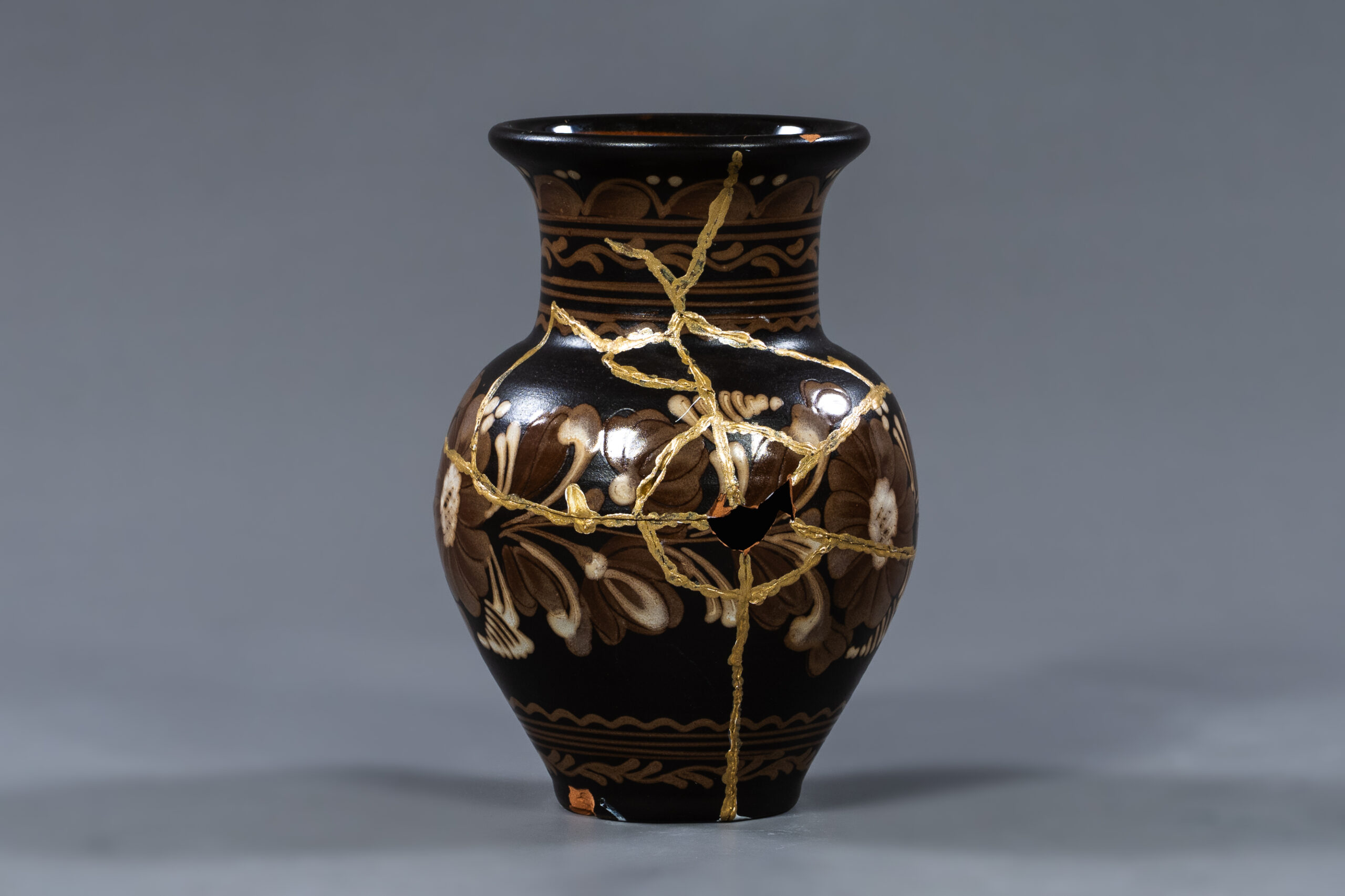
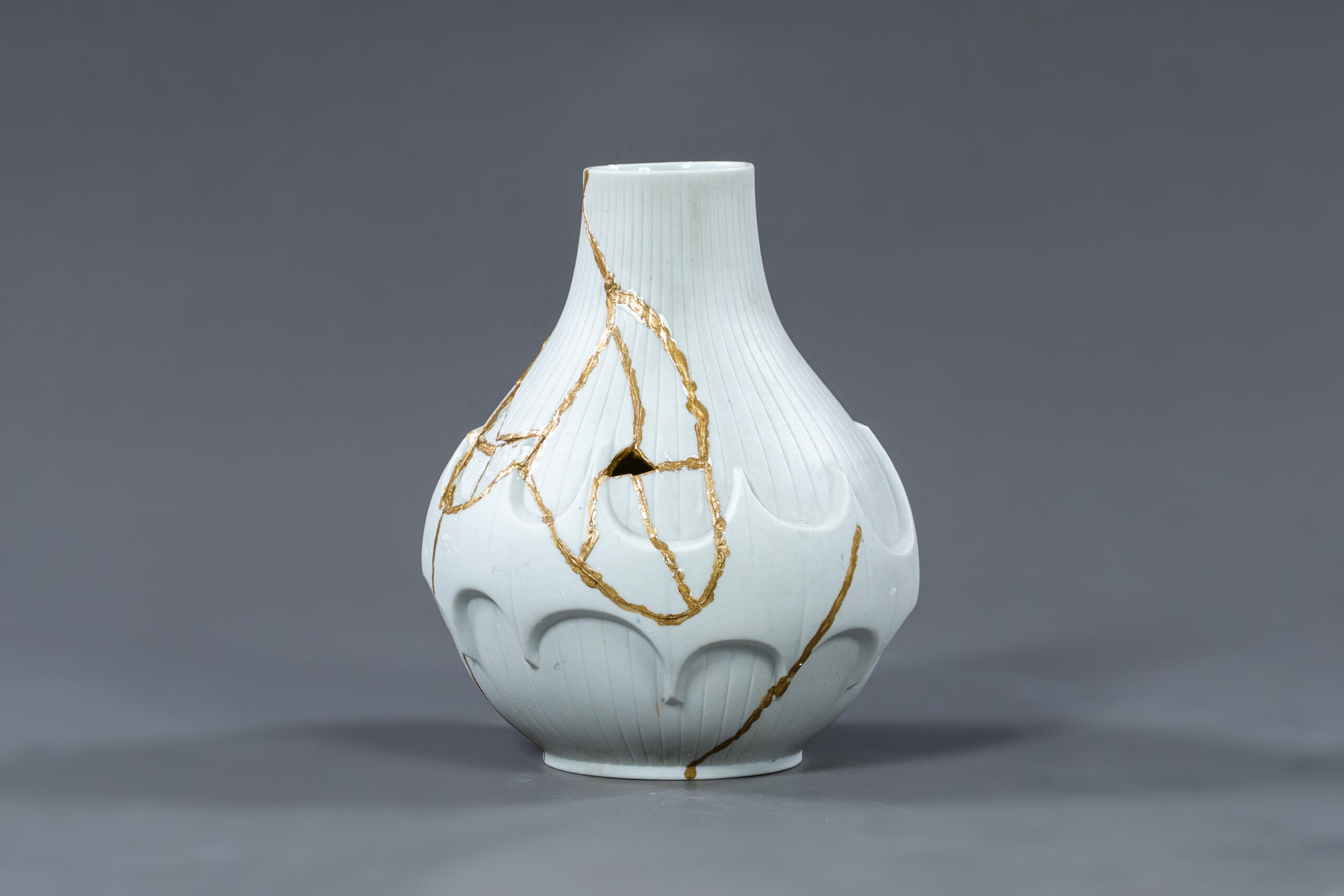
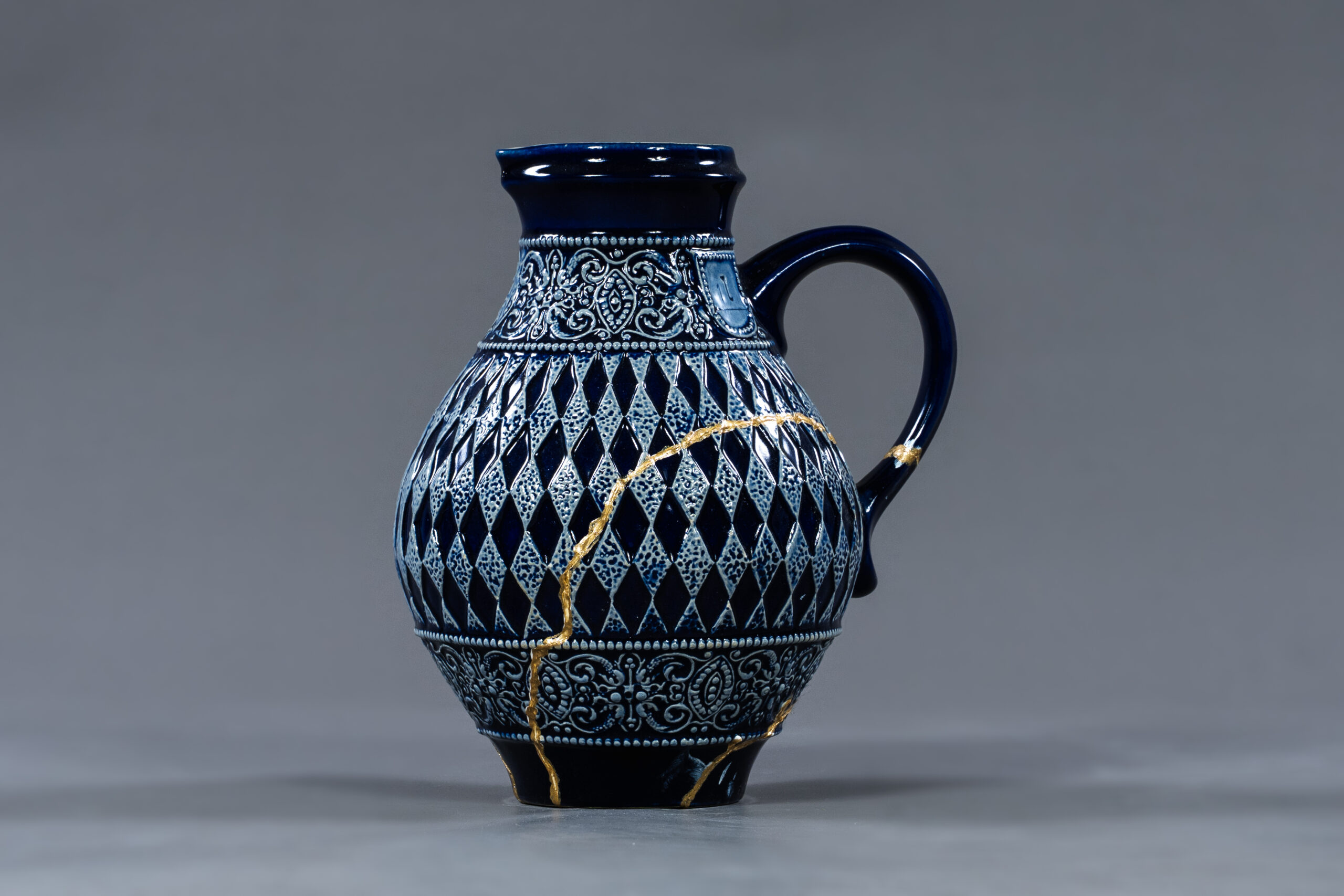
A vase sits on a table. Its surface is rough, its shape irregular. A fine crack, filled with gold, winds through the material. What might be considered damaged or imperfect is often seen as exceptionally beautiful in Japan. In Japanese aesthetics, this is known as Wabi-Sabi.
Wabi-Sabi draws upon imperfect symmetry, the naturalness of materials, quiet forms, and the traces of time. Objects are allowed to age, to show signs of wear, and to tell their stories—as unique and singular as real life itself: sometimes non-linear, sometimes ordinary.
The term “Wabi” signifies a simple, quiet life lived in modesty and deep gratitude for everything that surrounds us. “Sabi” describes the beauty of things as they grow older—whether through wear and tear or through breaks.
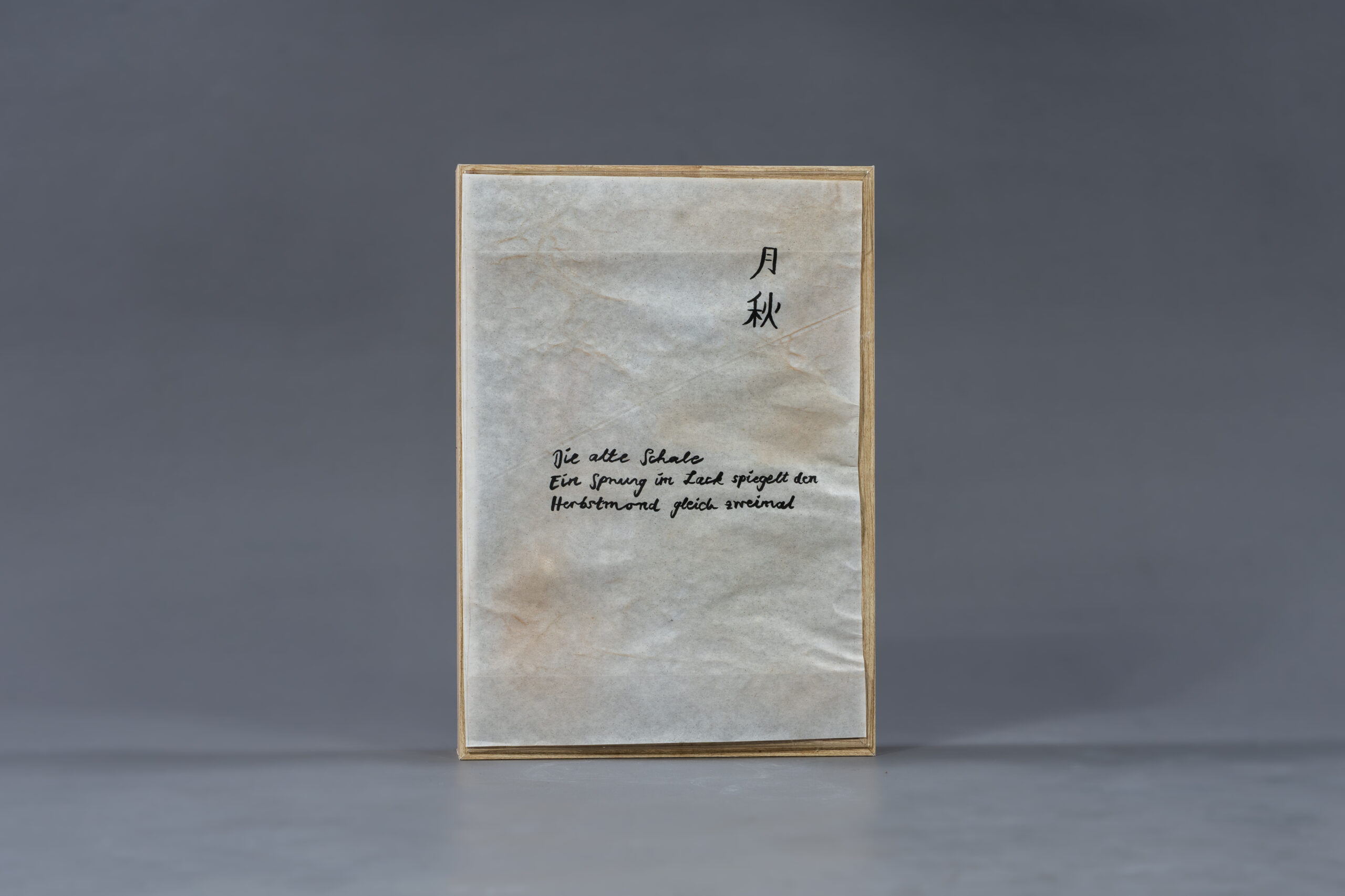
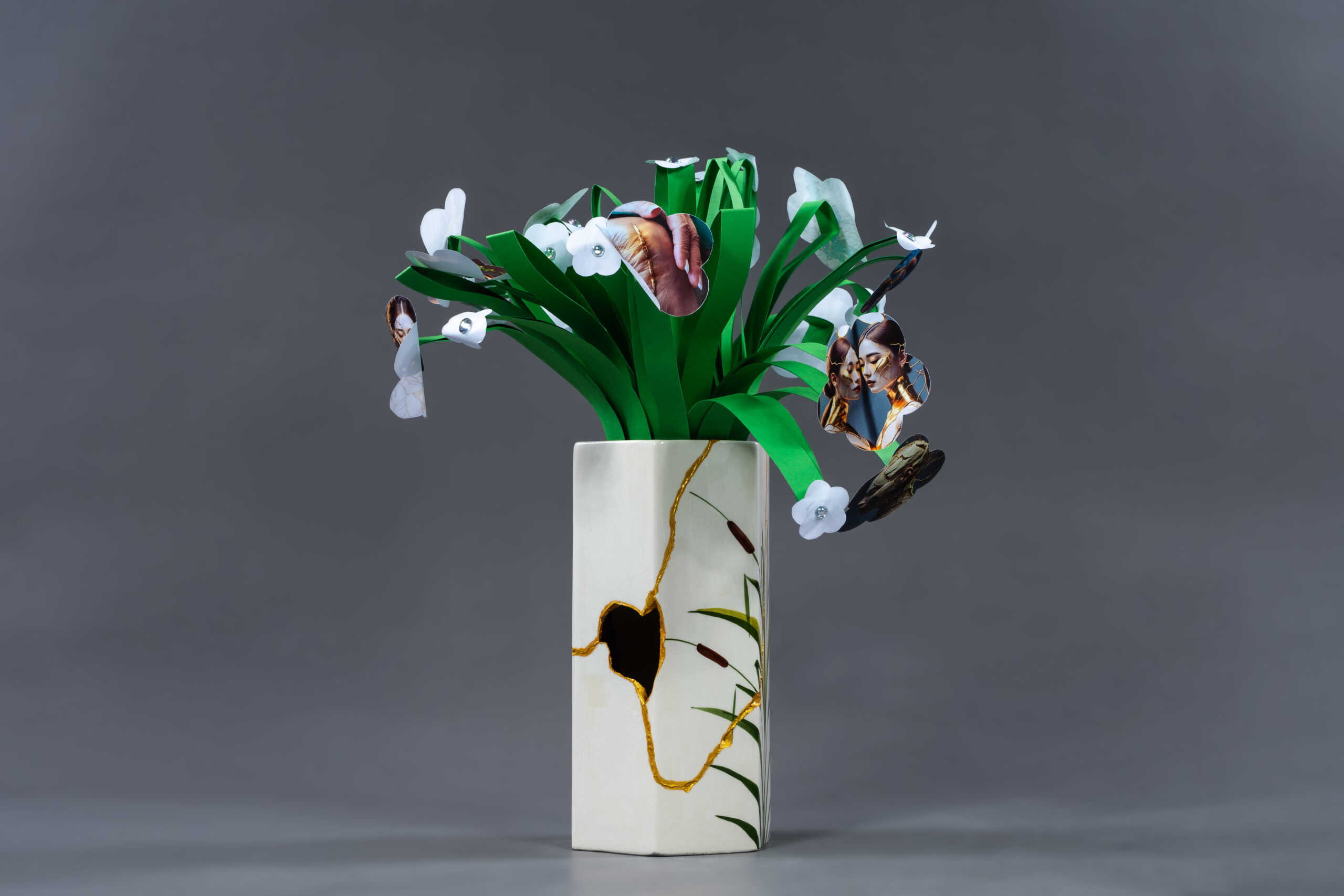
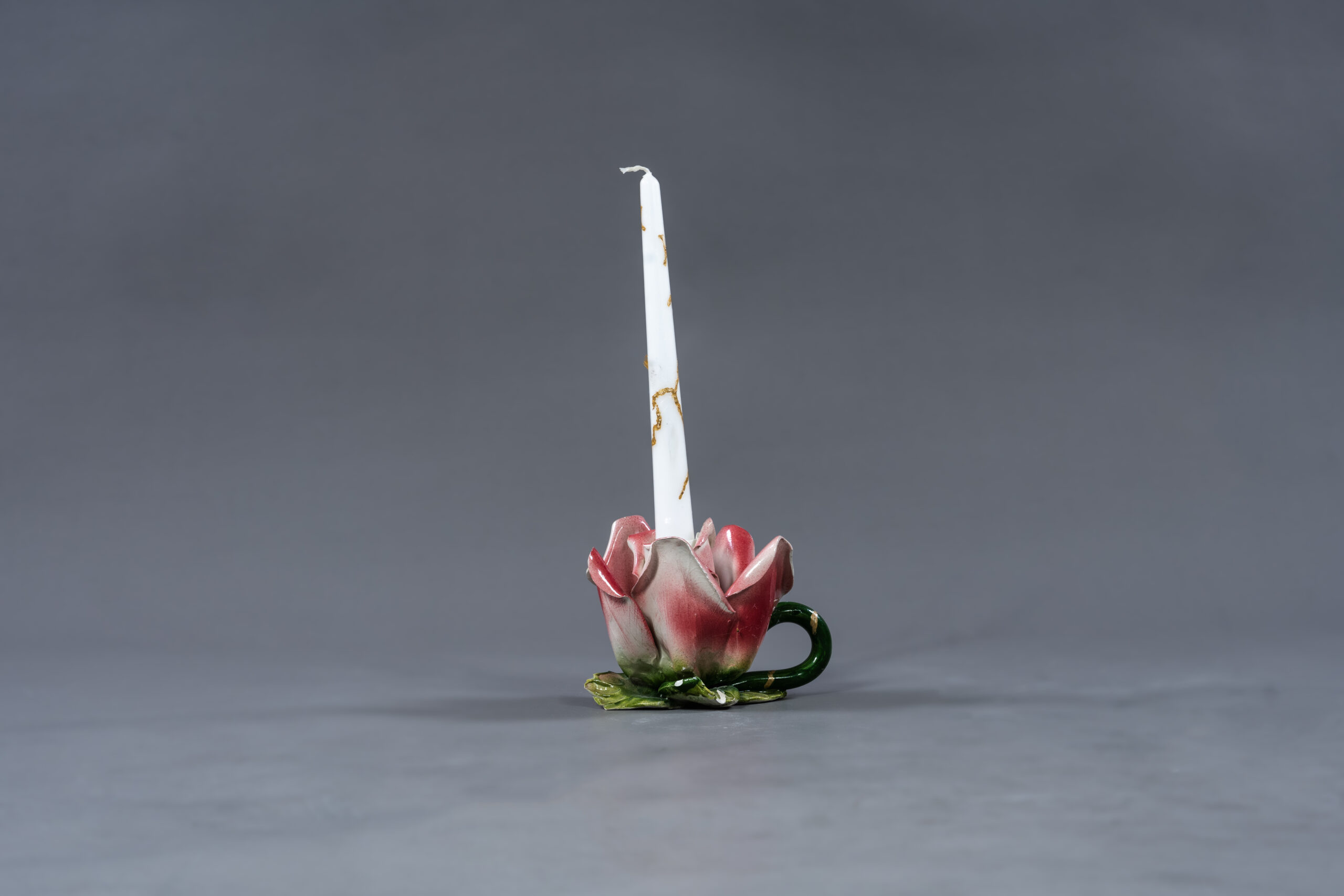
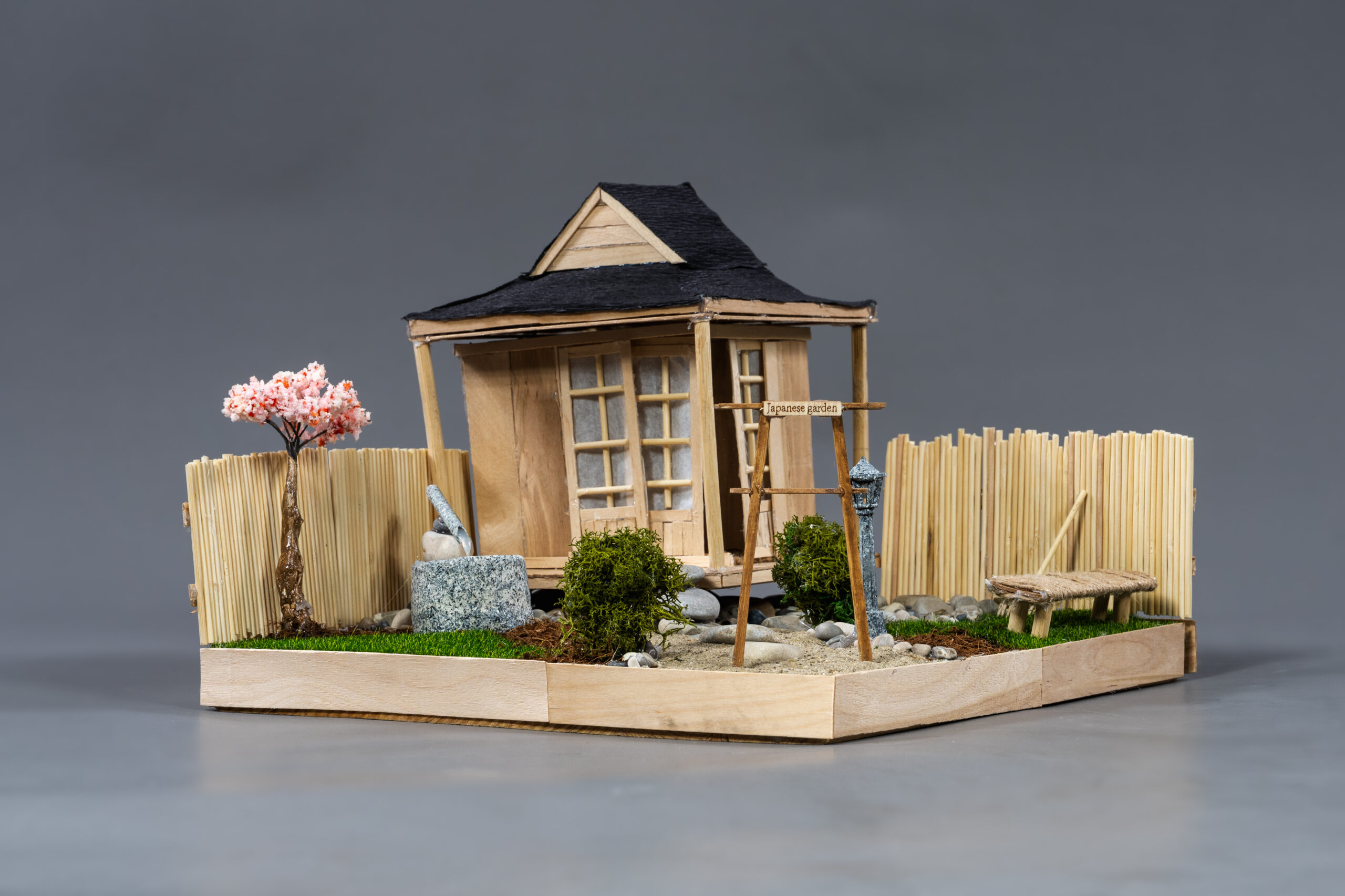
How can we succeed in appreciating the simple, the fleeting, and the imperfect in a world defined by perfection, fast-paced living, and infallibility? Students can express the answer to this through their works in the “Intercultural Communication in Art” module. Combined with techniques like “Kintsugi” or “mono no aware,” their pieces intentionally utilize the irregularities and unevenness of the material. Places where the ceramic broke are repaired with gold. The fracture is highlighted rather than hidden. Whether visible or invisible, the cracks and breaks are part of the object’s history—or a person’s life.
Wabi-Sabi reminds us of our own impermanence. Nothing lasts forever. Change, transience, and aging are natural and unstoppable. It is precisely this understanding that forms the foundation of Wabi-Sabi.
“Something is missing – autumn leaves fall.” — Taneda Santōka (1882–1940)