Pattern of the earth
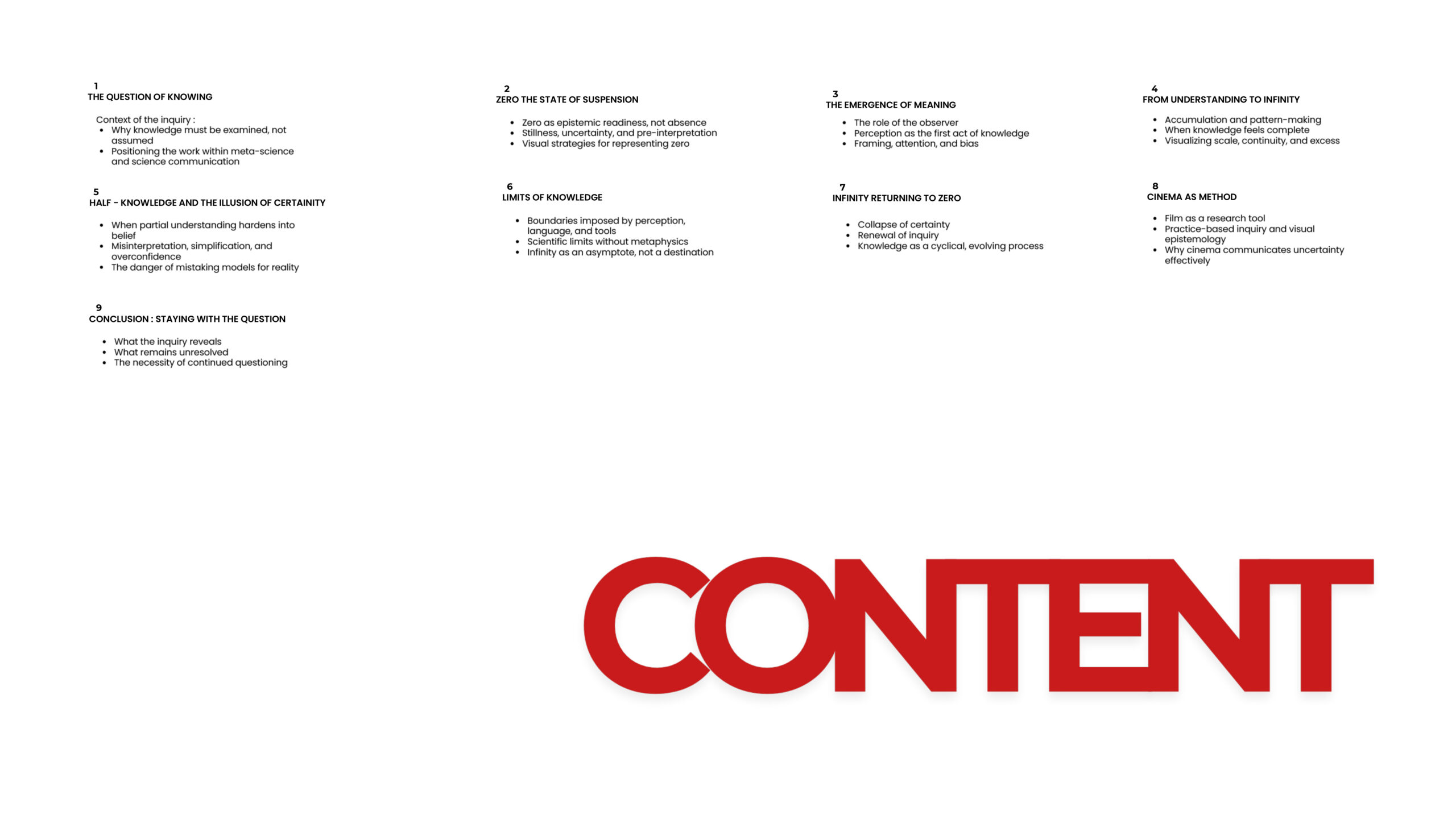
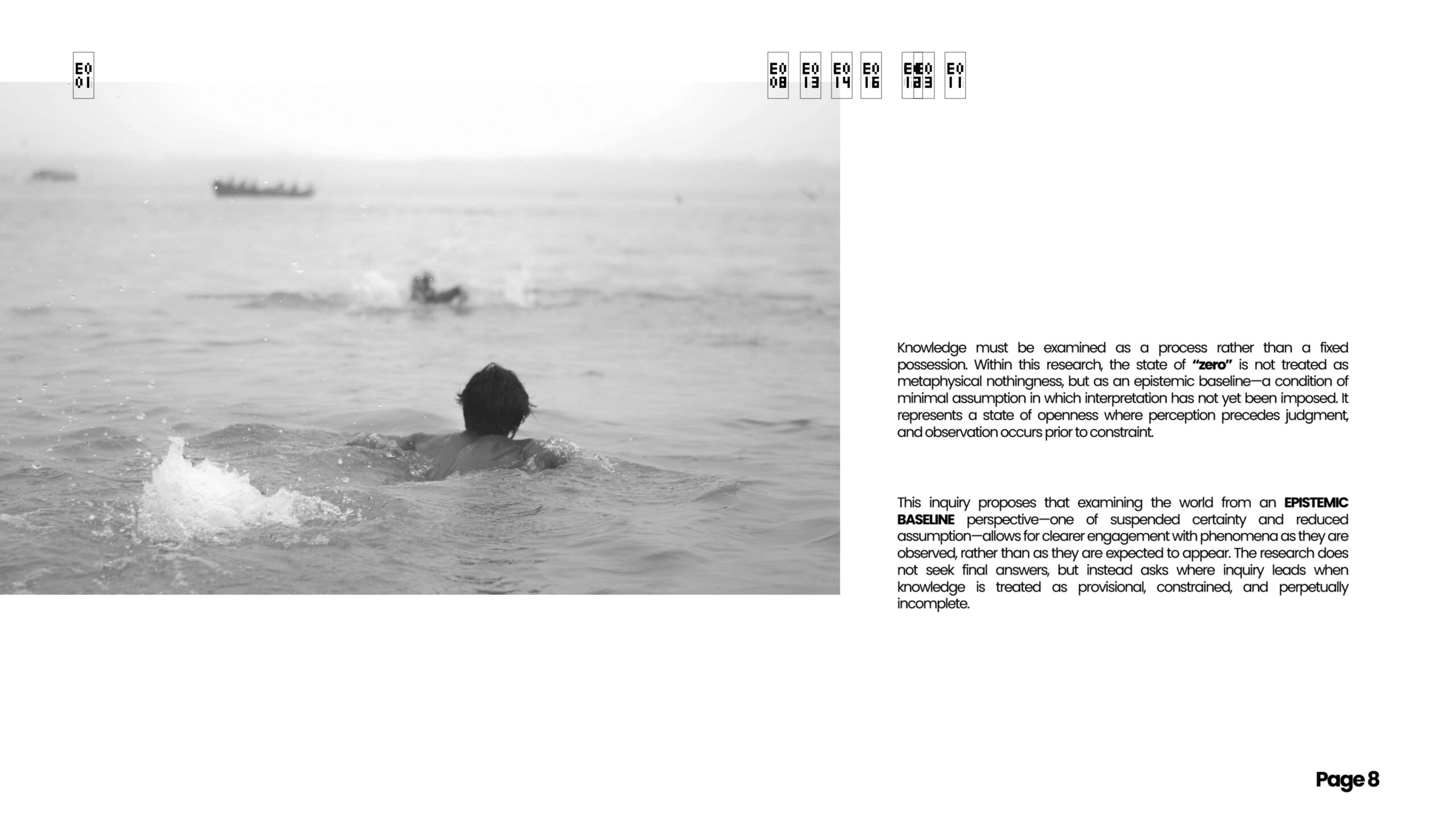
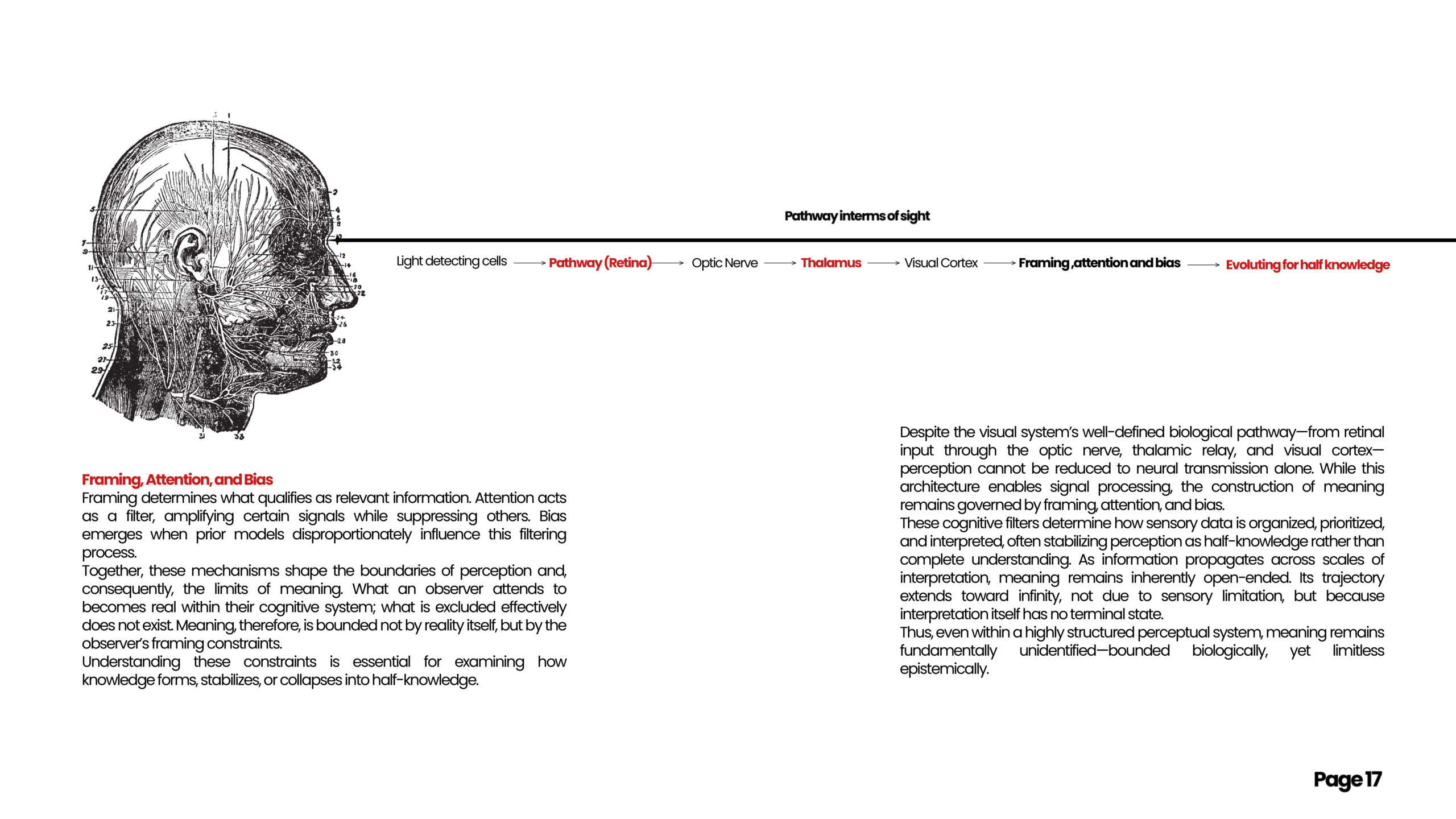
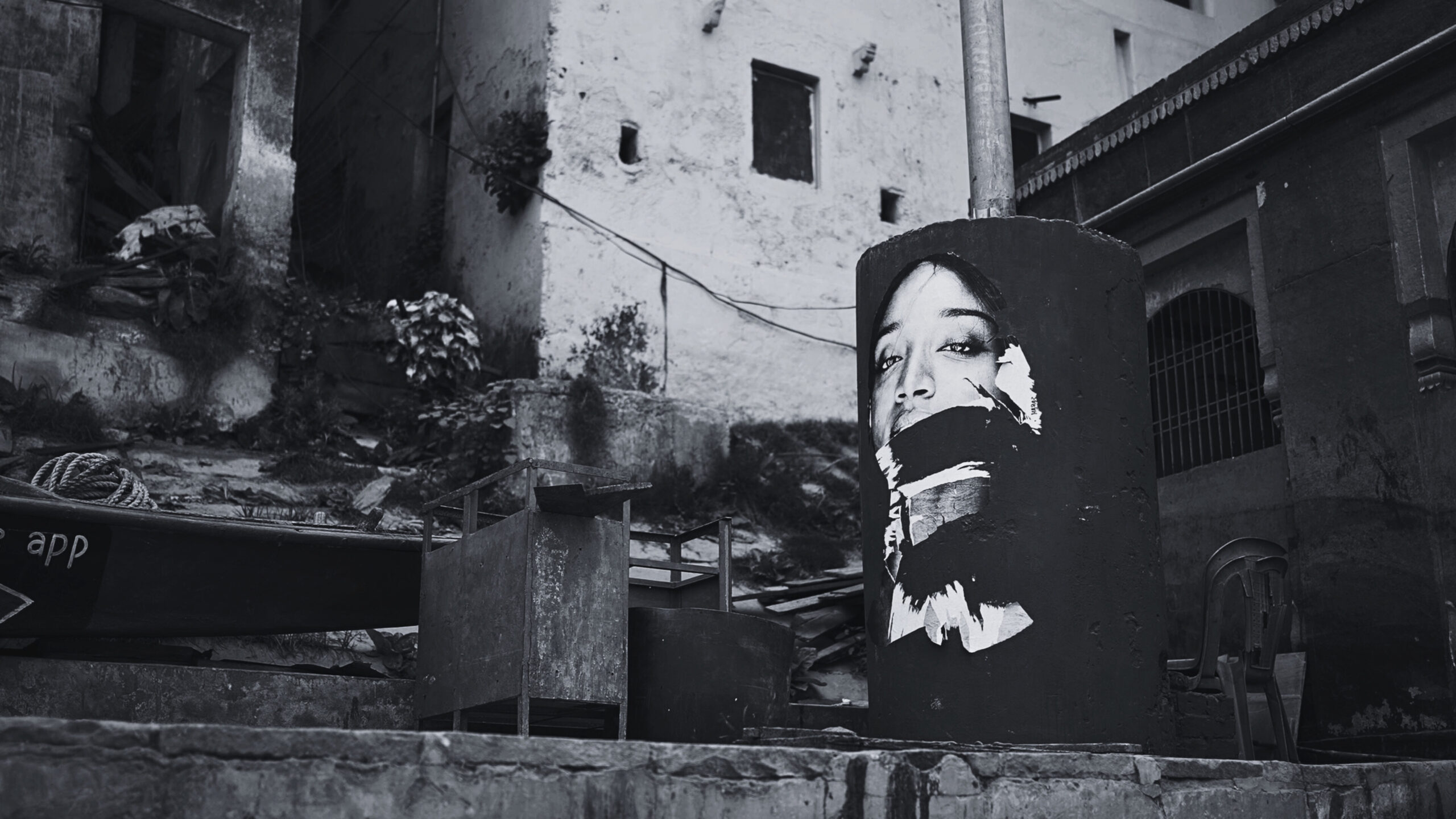
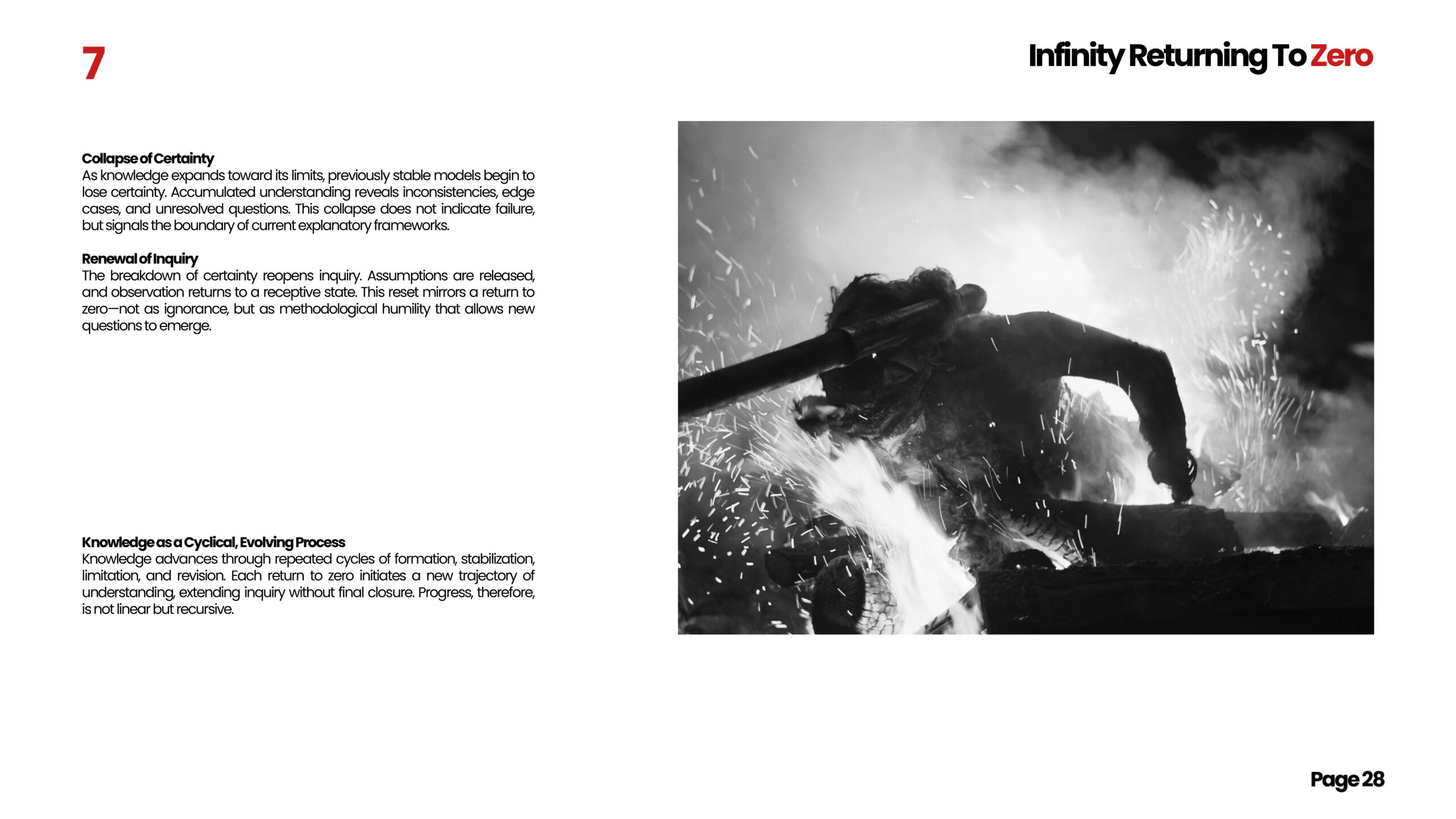
This project examines knowledge not as a fixed possession, but as an ongoing, provisional process shaped by perception, framing, and interpretation. It introduces “zero” as an epistemic baseline—a state in which observation precedes judgment and assumptions are minimized. From this state, meaning emerges through perception, with the observer playing an active role in constructing knowledge rather than passively discovering it. As observations accumulate, patterns form and understanding stabilizes, often creating the illusion of completeness. The project critiques this moment, showing how partial understanding can harden into belief, leading to overconfidence and the mistaken conflation of models with reality. It emphasizes that all knowledge is bounded by perceptual, linguistic, and methodological limits, making true completeness unattainable. Infinity is treated not as an endpoint, but as a direction of inquiry that reveals excess and uncertainty. When certainty collapses at these limits, inquiry renews itself, returning to a refined state of zero marked by humility rather than ignorance. Cinema and photojournalism are used as research methods to communicate uncertainty, duration, and openness more effectively than purely explanatory models. Ultimately, the project argues for “staying with the question,” embracing knowledge as a cyclical, evolving process that remains fundamentally incomplete.