Research
‘Media’ is a very complex term – usually denoting ‘something mediating’ or ‘carrying a message’, derived from the ancient Greek ‘meson’, which means not only ‘the middle’, but also ‘public’ and ‘common good’ and was adopted in Latin as ‘center(-point)’, but also continued as ‘public’, as well as becoming ‘something mediating’. The term is used in numerous contexts, from biology to spirituality.
The term ‘culture’, however, has a similar meaning to the term ‘media’; it also has a very wide range of meanings: Derived from the Latin ‘cultura’, it encompasses the field of meaning ‘(dwelling)’, which points towards the everyday world,- the field of ‘cultivating, adorning, training’, which denotes ‘things of higher value’,- then also ‘worshipping, adoring, celebrating’ with a view to ritual and religious aspects’,- as well as “practising agriculture”, which we find again in terms such as “cultivated plant” or “bacterial culture”. An SWR documentary (2021) aptly used the hashtag #cultureiseverything. Like any very comprehensive concept, ‘culture’ is of course also problematic, if only because the definition itself is a cultural definition and the question naturally arises as to when we speak of culture in the singular and when of cultures, and how these can be distinguished from each other and from the counter-concept of ‘nature’.
Media culture is therefore made up of two concepts that are almost impossible to define. It can also be about culture mediated by media, about culture that deals with media or develops around media, or about the question of how media are created or used in a specific cultural context.
With a Centre for Media Culture, we have therefore set ourselves a major challenge. Our aim is to approach media culture from an interdisciplinary perspective and to promote co-operation between different specialist traditions and actors from the fields of practice, art and science. In our work, traditional scientific and innovative or artistic approaches should be given equal consideration.
Quicklinks:


A few exemplary fields of interest are:
Ontology and AI:
Artificial intelligence raises fundamental ontological questions that affect our cultural self-understanding, our everyday lives, and our coexistence. At the center of this is how concepts such as “human,” “intelligence,” “relationship,” or “art” can be redefined under the conditions of technical systems. These questions are examined from both anthropological-philosophical and empirical perspectives in order to gain a more comprehensive understanding of AI and its impacts.
Media Trends
The question of when something is considered “in” and what dynamics lie behind it points to complex processes of the zeitgeist. Media trends emerge in the interplay of cultural practices and media mediation, thereby connecting media and cultural studies in a special way. They not only raise questions of explanation but also always involve an ethical evaluation of societal developments
Representation and Self-Representation
The media portrayal of people significantly shapes how they are perceived and understood. In our work, we investigate the mechanisms underlying such representations, as well as the processes of assuming interpretive and representational authority. A particular focus is placed on the question of how self-images and external images mutually influence each other in postmodern and postcolonial media contexts.
Publications
- Jerrentrup, Maja & Villalba, Martín (2026): To Prompt or Not to Prompt – Possible Impacts of the Widespread Use of the AI Generation of Fiction. Comunicar 86, 2026
- Jerrentrup, Maja (2026): Rhetorische Strategien der Bedürftigkeit. Comunicatio Socialis, 2026
Jerrentrup, Maja (2026): Advertising the Unpopular. Journal of Digital and Social Media Marketing, 2026 - Katzenberger, V., Krause, T., & Mehling, G. (Hrsg.). (2026). Brücken und Brüche: Impulse für die empirische Journalismusforschung. Festschrift für Markus Behmer. Herbert von Halem Verlag.
- Jerrentrup, Maja (2026): Die Kunst des Künstlichen: Maschinelle Bilder, KI und die Frage der Kunst.
- Jerrentrup, Maja & Villalba Martín (2025): When a dialog becomes a monologue. A debate on custom-made literature with generative AI. SIGDIAL conference paper, 2025
- Jerrentrup, Maja & Martín Villalba (2025): Customization, Connection, and Control: Reimagining Intimacy in the Age of Artificial Partnership. Advances in Social Sciences and Management.
- Jerrentrup, Maja (2025): Photography’s fluid gender. AnthroVision, 2025.
- Jerrentrpu, Maja & Martín Villalba (2025): When a dialog becomes a monologue. SIGDIAL conference paper.
- Nnanna, N.M. Nnanyelugo, E.C. Ngwu, U.I. Nwokedi, O.P. Okwuowulu, C. Ewulu, J.J. Nwoga,C.C. Gever, V.C. (2025). “Using music storytelling communication intervention to promote acceptance of C-section among families in rural areas”. Evaluation and Program Planning 108 (10252): 1-6 DOI: https://doi.org/10.1016/j.evalprogplan.2024.102521
- Jerrentrup, Maja (2025): Text as a Tool. Journal of Digital Pedagogy 4(1): 103-110, https://doi.org/10.61071/JDP.2562
- Nnanna, N.M. Erojikwe, I. Ekwueme, O. Umezinwa, R. Ezeugwu, C.A. Chinwetalu, I. Nwaozuzu, U. (2024). “Intersections of Cultural Dynamics and Igbo Spirituality in Odunke Artists’ Ojaadili”. COOU JOFOCUS: COOU Journal of Folklore and CulturalStudies, 4 (1):137-158
- Nnanna, N.M and Akaenyi, N.J. (2024). “Curbing the Menace of Migration through the Theatre: A Study of Toni Duruaku’s A Mirage for a Dream”. LWATI: A Journal of Contemporary Research, 21 (2):253-268 https://doi.org/10.61071/JDP.2562
- Krause, Till (2024). Robots and code: A case study of the depiction of artificial intelligence in German news media. M/C Journal, 27(6). https://doi.org/10.5204/mcj.3119
- Kohler, Reinhold (2024): The agile world of Supply Chain stands and falls with the leadership competence: A comparison between approaches in industry and the military. In: Tomasevic, J., Angela Qu., A., Drees, H. (Hrsg.): The World Is Agile: Adapting, restructuring, innovating and creating flexible production & supply chain systems to answer the growing needs of our world population. Agarita Press.
- Jerrentrup, Maja (2024): Imagine art. The status of works generated by artificial intelligence. International Journal of Cultural Studies. https://doi.org/10.1177/13678779241252664
- Krause, Till (2024, Oktober). Innovationskommunikation als visuelle Herausforderung: Zur memetischen Darstellung von Randgebieten des Digitalen am Beispiel Künstlicher Intelligenz und Cybercrime. Vortrag präsentiert auf der 24. interdisziplinären Tagung des Europäischen Forschungsnetzwerks EUKO (Europäische Kulturen in der Wirtschaftskommunikation), Nürnberg, Deutschland.
- Jerrentrup, Maja (2024): Depression goes social media. Media Watch. https://doi.org/10.1177/09760911241291156
- Jerrentrup, Maja (2024): Sak Yant as cross-cultural Practice. The Image 15(1). https://doi.org/10.18848/2154-8560/CGP/v15i01/17-38
- Jerrentrup, Maja (2024): A case for Kitsch. Arts & Communication 2(3). https://doi.org/10.36922/ac.2990
- Krause, Till (2024). From niche narrative to audio blockbusters: Cultural significance, economic potential, and three core elements of storytelling podcasts in Germany. M/C Journal, 27(2). https://doi.org/10.5204/mcj.3031
- Jerrentrup, Maja (2024): Einführung ins Mediendesign. Stuttgart: UTB. https://doi.org/10.36198/9783838562223
- Kohler, Reinhold (2024): Eliza’s descendants: Artificial intelligence in teaching and training. In: Tomasevic, J., Angela Qu., A., Drees, H. (Hrsg.): The World Is Digital. Agarita Press.
- Jerrentrup, Maja (2024): Creativity between Nihilism and the Search for Meaning: Zeitgeist and creative innovation in body art. Creativity Studies.
- Jerrentrup, Maja (2024): Postmodern Affaires. The multiple sides of ethical-non-monogamy. Anthropos 120(1). doi.org/10.5771/0257-9774-2024-2-535
- Jerrentrup, Maja (2024): The body, the spirit, and the other: Yantras as embodied cultural Integration. Social Sciences 13(1). https://doi.org/10.3390/socsci13010034
- Kohler, Reinhold (2023): Sustainability Circular Economy: Thoughts on Sustainability Solutions and Carbon Dioxide Reduction. In: Tomasevic, J., Angela Qu., A., Drees, H. (Hrsg.): The World Is Green. Agarita Press.
- Jerrentrup, Maja (2023): The Grand Style: Encountering elderly influencers. Aisthesis 16(1). https://doi.org/10.36253/Aisthesis-14379
- Jerrentrup, Maja und Nnanna Ndubuisi (2023): Symbolic Representations. Social media and photography in Nigeria. Cogent Arts & Humanities 10(1). https://doi.org/10.1080/23311983.2023.2190240
- Krause, Till (2023). Augmented reality und Journalismus. In B. Likafu & C. Malterer (Hrsg.), Extended reality in Wirtschaft, Wissenschaft, Gesellschaft und Medien (S. 179–190). Springer Gabler. https://doi.org/10.1007/978-3-658-42441-1_21
- Krause, Till, & Uhrig, K. (2022). Journalismus zum Bingen: Potenziale und Funktionen serieller Podcasts für das digitale Storytelling. In V. Katzenberger, J. Keil, & M. Wild (Hrsg.), Podcasts – Perspektiven und Potenziale eines digitalen Mediums (S. 445–460). Springer VS. https://doi.org/10.1007/978-3-658-38712-9_18
- Jerrentrup, Maja (2022): Oriental or a day. Staging Oneself as an Exotic Subject. Anthrovision 9(1). https://doi.org/10.4000/anthrovision.8839
- Hermanni, Alfred-Joachim (2022): Business Guide für strategisches Management – 50 Tools zum geschäftlichen Erfolg, zweite Auflage. Heidelberg: Springer Gabler.
- Jerrentrup, Maja (2022): A versatile tool: photography in the context of participation. Journal of International Cooperation and Development, 5(3).
- Jerrentrup, Maja (2022): I’m bad: The fascination of embodying the evil in a virtual world. Virtual Creativity Research, 12 (2). https://doi.org/10.1386/vcr_00066_1
- Jerrentrup, Maja and Nnanna Ndubuisi (2022): Symbolic Representations. Social media and photography in Nigeria. Journal of Communication, 3(1). https://doi.org/10.1080/23311983.2023.2190240
- Jerrentrup, Maja (2022): “Every frame has some touch of Indian culture to it” – Reflections on an Indian Style of Photography. South Asia Research, 44 (1). https://doi.org/10.1177/02627280221091813
- Jerrentrup, Maja (2022): Gaining and Losing Control: Tattoos and interpretive sovereignty. Signs and Society 10(1), 2022. https://doi.org/10.1086/717559
- Jerrentrup, Maja (2022): Unreadable: the pictorial side of text elements, Media Practice and Education, 2022. https://doi.org/10.1080/25741136.2022.2039995
- Kohler, Reinhold (2021): ROSKAB Leadership Model. Executive Summary. Munich: Grin.
- Jerrentrup, Maja (2021): Leaving the Body behind. Embodiment as a Chance to overcome the Body. HAU Journal of Ethnographic Theory 11 (3). https://doi.org/10.1086/718319
- Jerrentrup, Maja (2021): Staging the Other. Orientalism in contemporary Media. Arte, Individuo y Sociedad 33(4). https://dx.doi.org/10.5209/aris.72035
Lectures
- Krause, Till & L. Kohlwes (2025): Podcasts als Medium der Wissenschaftskommunikation. Vortrag auf der Tagung Wissenschaftskommunikation: Zielgruppenanalyse und praktische Umsetzung, Akademie für Politische Bildung, Tutzing, Deutschland.
- Hermanni, Alfred-Joachim (2025): Social Media kritisch hinterfragt. Online-Veranstaltung.
- Jerrentrup, Maja & Martín Villalba (2025): Digital Feelings. Vortrag auf der Digit-R, Nürnberg.
Hermanni, Alfred-Joachim (2025): Bildbearbeitung und Videoschnitt. Workshop, Köln
- Jerrentrup, Maja (2025): Possible impacts of the widespread use of AI generation of fiction. Vortrag auf dem Bg Science Congress, Burgas, Bulgarien.
- Taranenko, Iryna (2025): Sensible/Geschlechtersensible Patientenanamnese. Vortrag bei der Johanniter-Unfallhilfe e.V.
- Taranenko, Iryna (2025): Einsatz von neuen Medien im berufsbezogenen C1-Deutschkurs für die öffentliche Verwaltung; Sprachverständigung, Medien, einfach Sprache. Vortrag auf der DaFWEBKON 25, „Zwischen den Welten“.
- Jerrentrup, Maja & Martín Villalba (2025): When a Dialogue becomes a Monolgoue. Vortrag auf der SIGDIAL, Avignon, Frankreich.
Hermanni, Alfred-Joachim (2025): Brand Experience Days“. Workshops, München und Berlin
- Krause, Till (2024): Innovationskommunikation als visuelle Herausforderung: Zur memetischen Darstellung von Randgebieten des Digitalen am Beispiel Künstlicher Intelligenz und Cybercrime. Vortrag auf der 24. interdisziplinären Jahreskonferenz der europäischen Forschungskooperation EUKO (Europäische Kulturen in der Wirtschaftskommunikation), Technische Hochschule Nürnberg.
- Krause, Till & Gregor Schmalzried (2024): Angewandte Künstliche Intelligenz in der Medienproduktion: Warum es so schwer ist, ChatGPT Wortspiele beizubringen (und wie wir es trotzdem geschafft haben). Konferenzvortrag auf der re:publica, Berlin, Deutschland.
Knowledge transfer
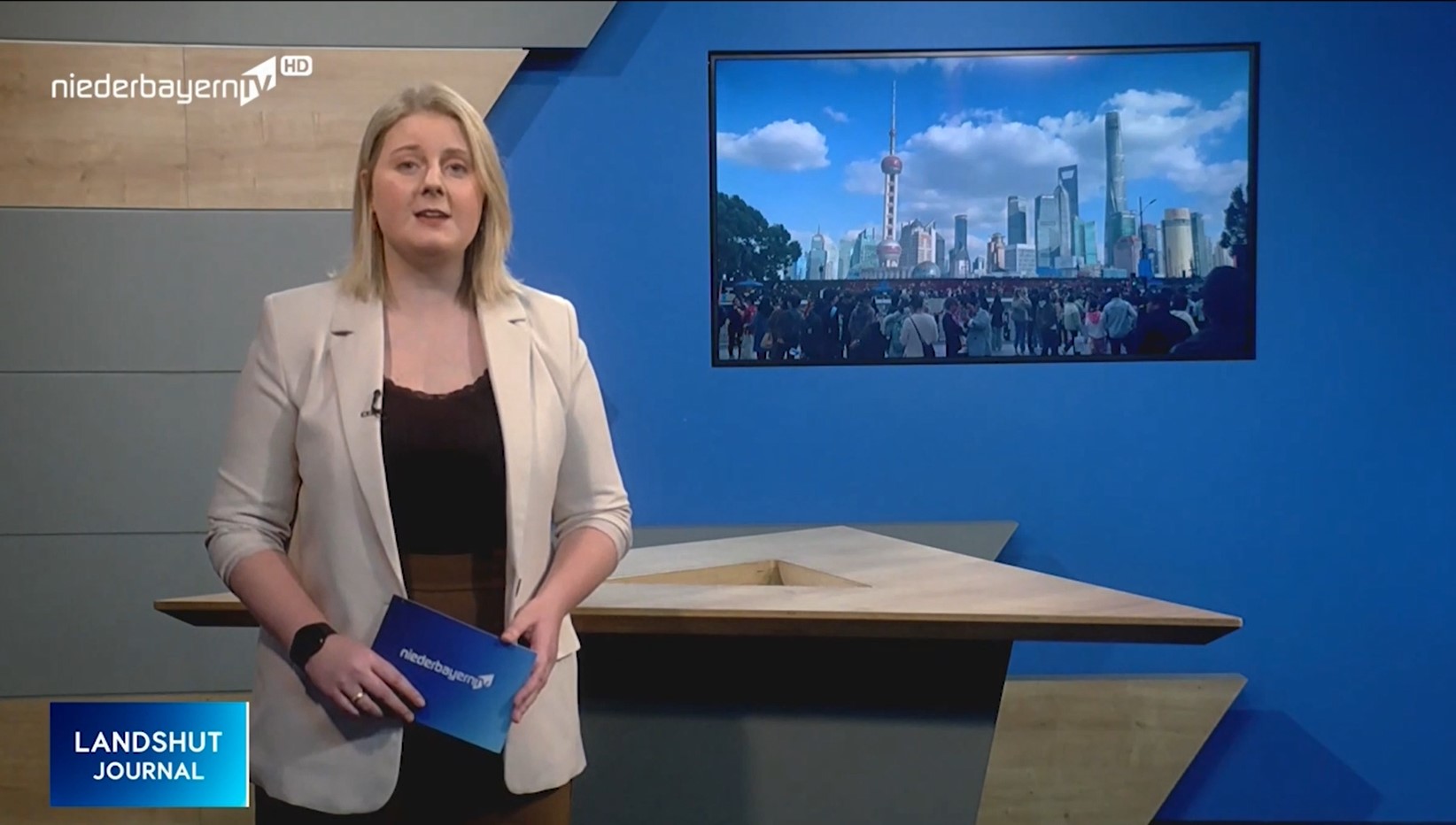
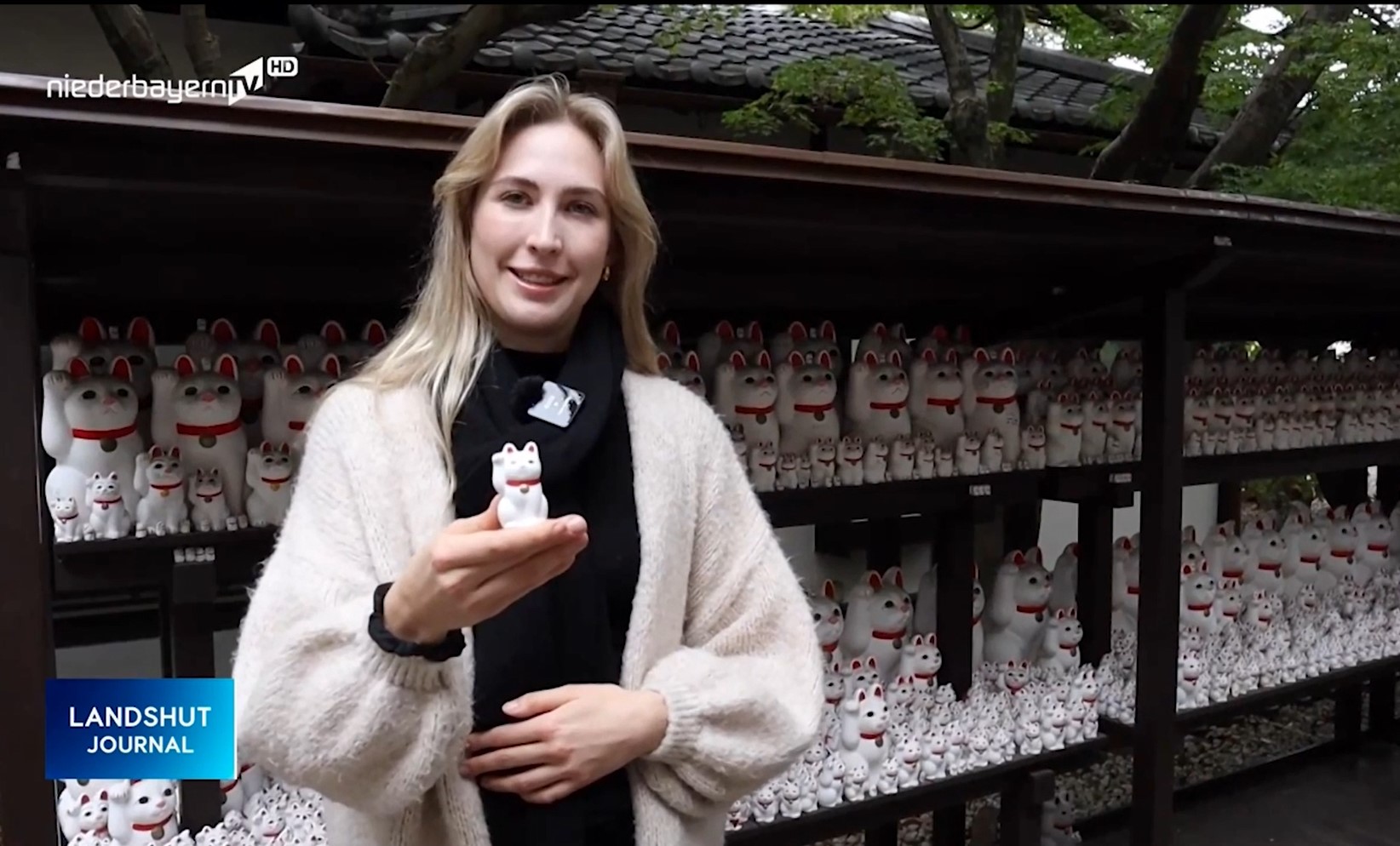
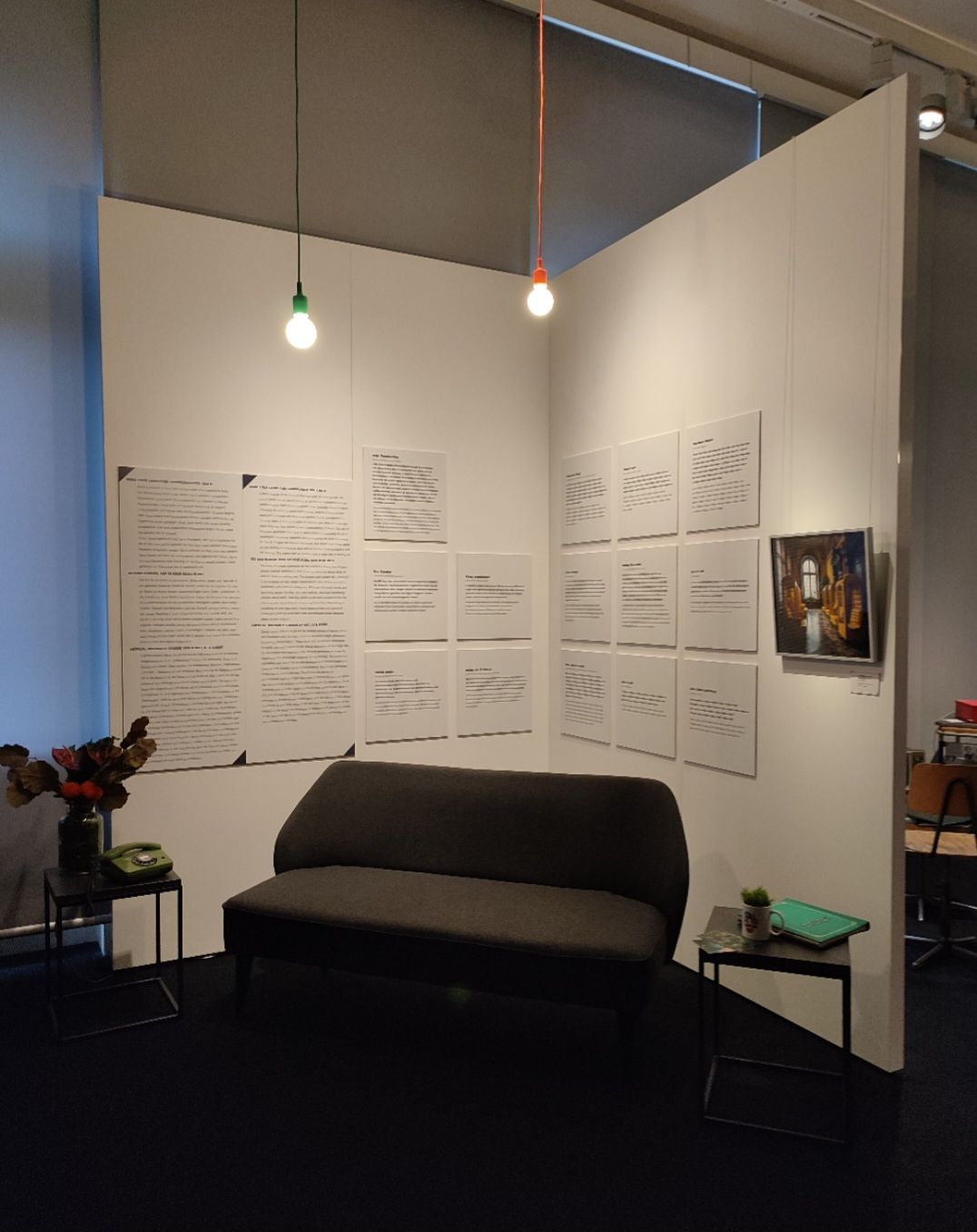
Research meets the public: in exhibitions, articles, TV features, or lectures. Through collaboration with museums, editors, and local initiatives, encounters arise in which academic ideas become tangible – open, accessible, and close to everyday life.
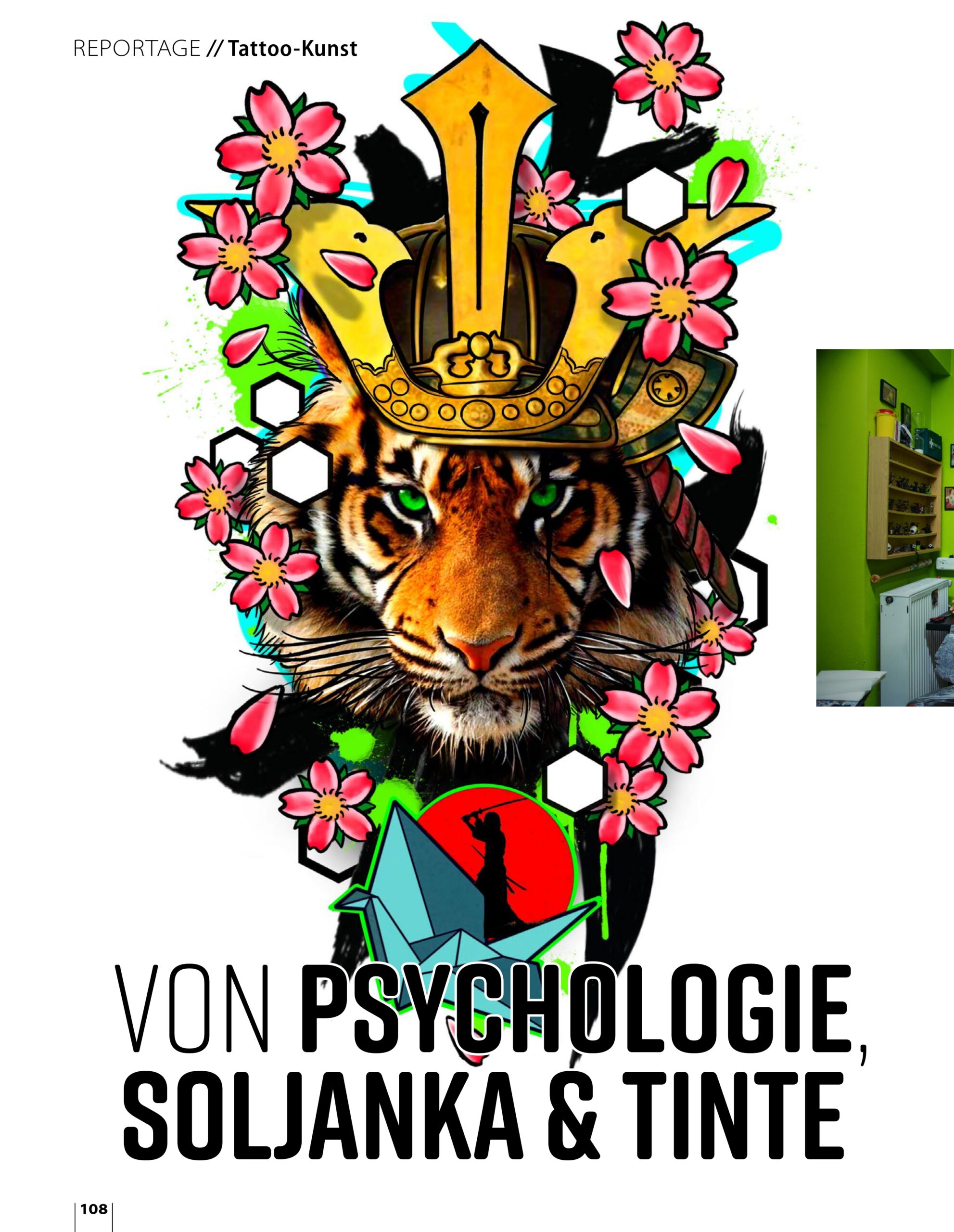
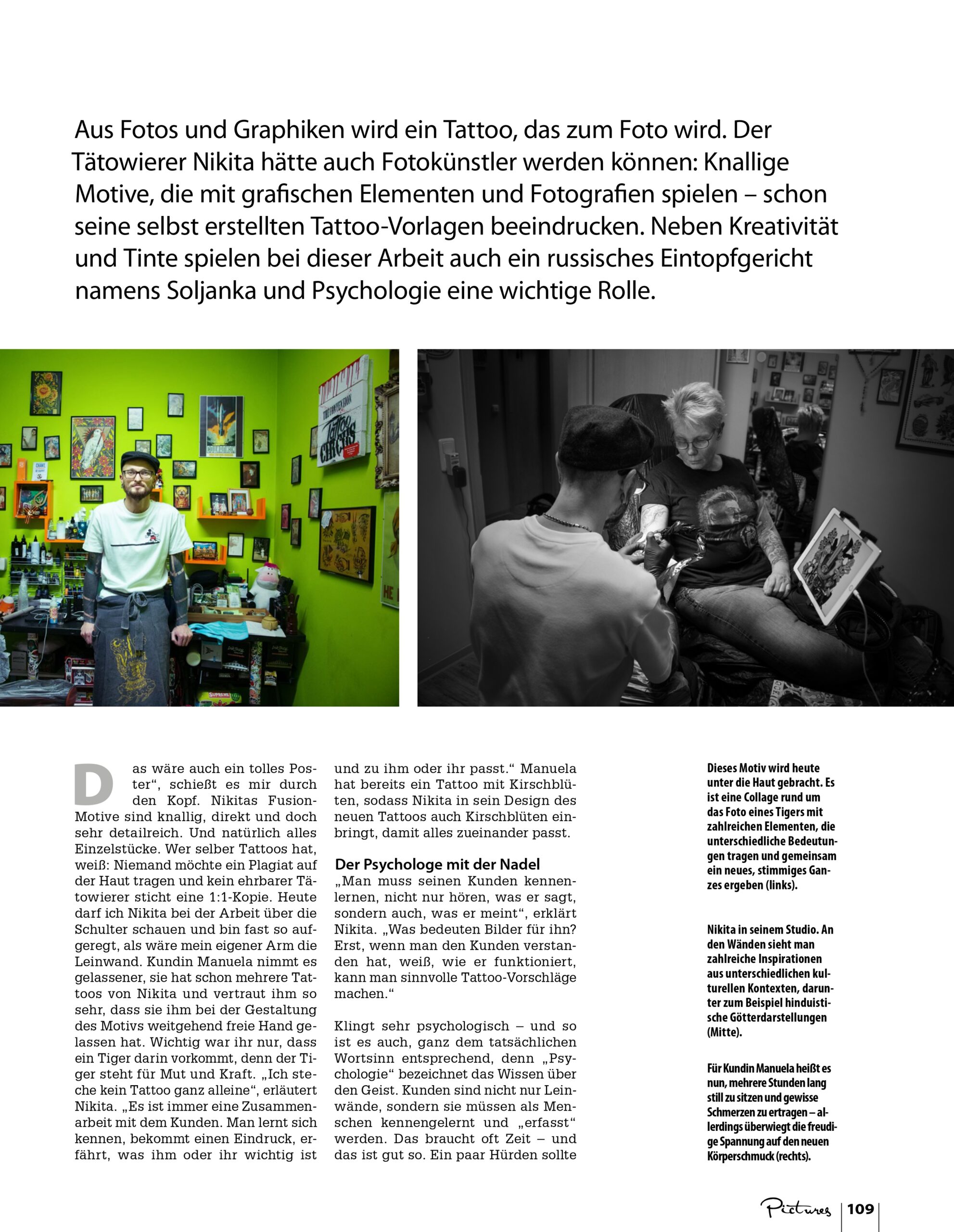

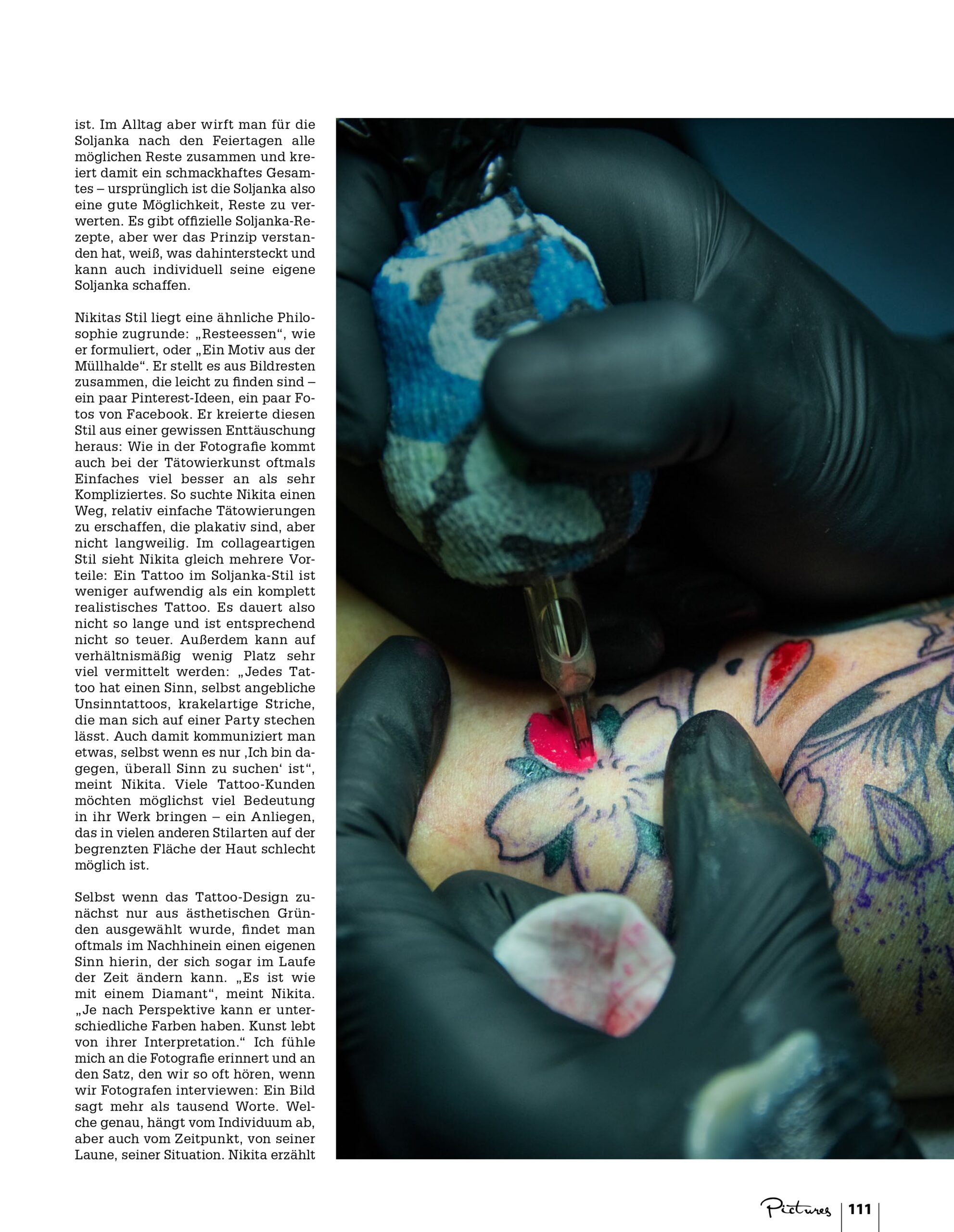
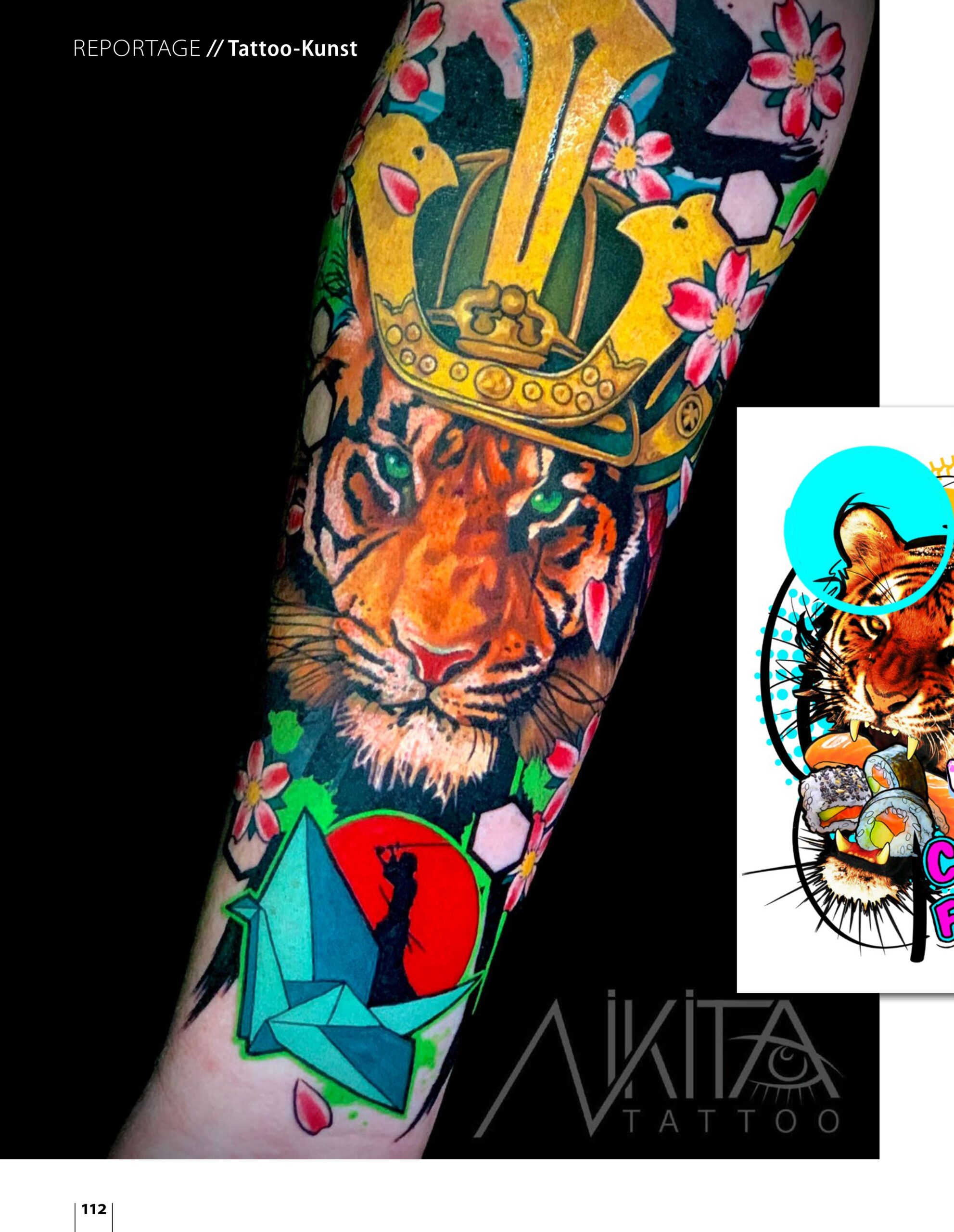
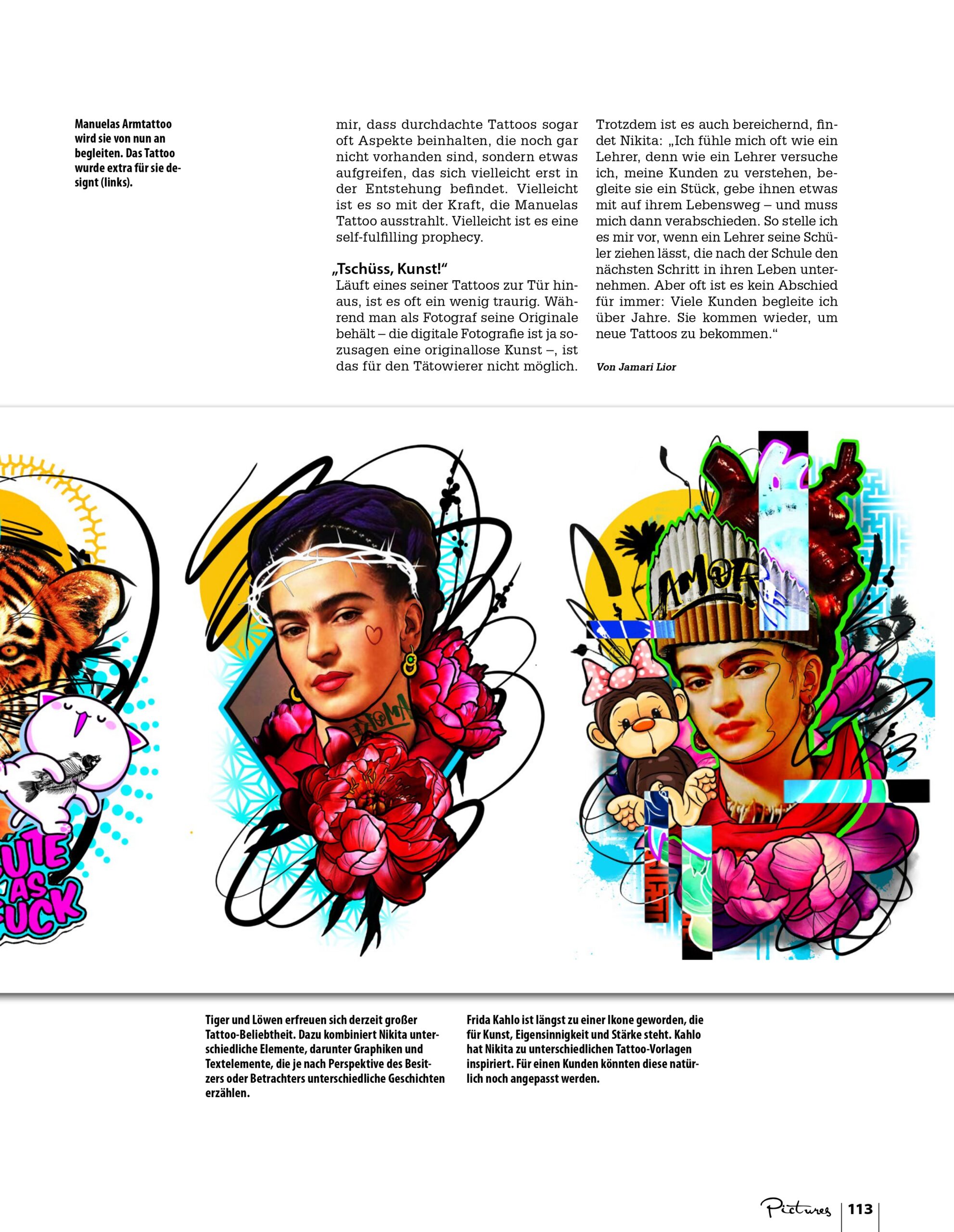
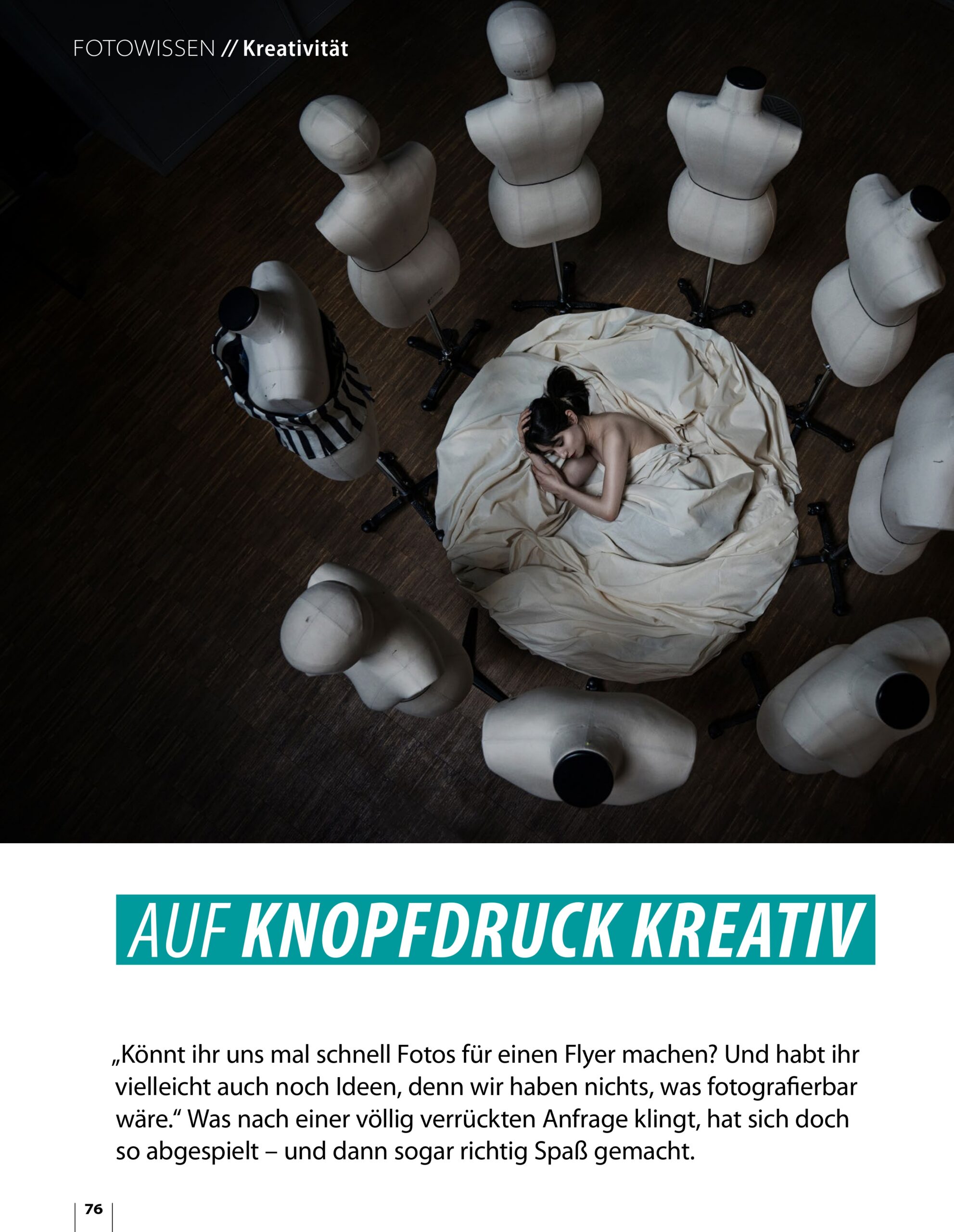
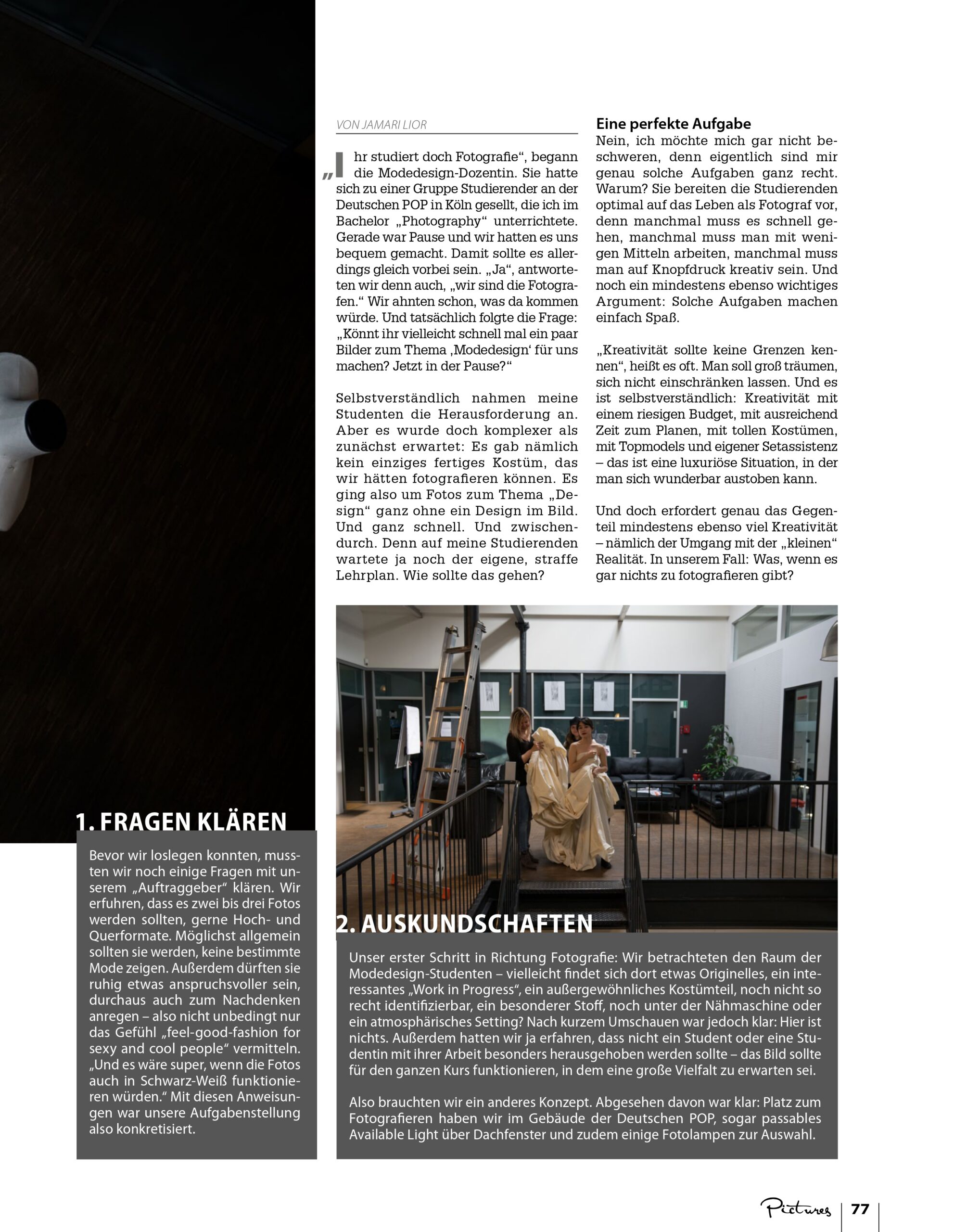


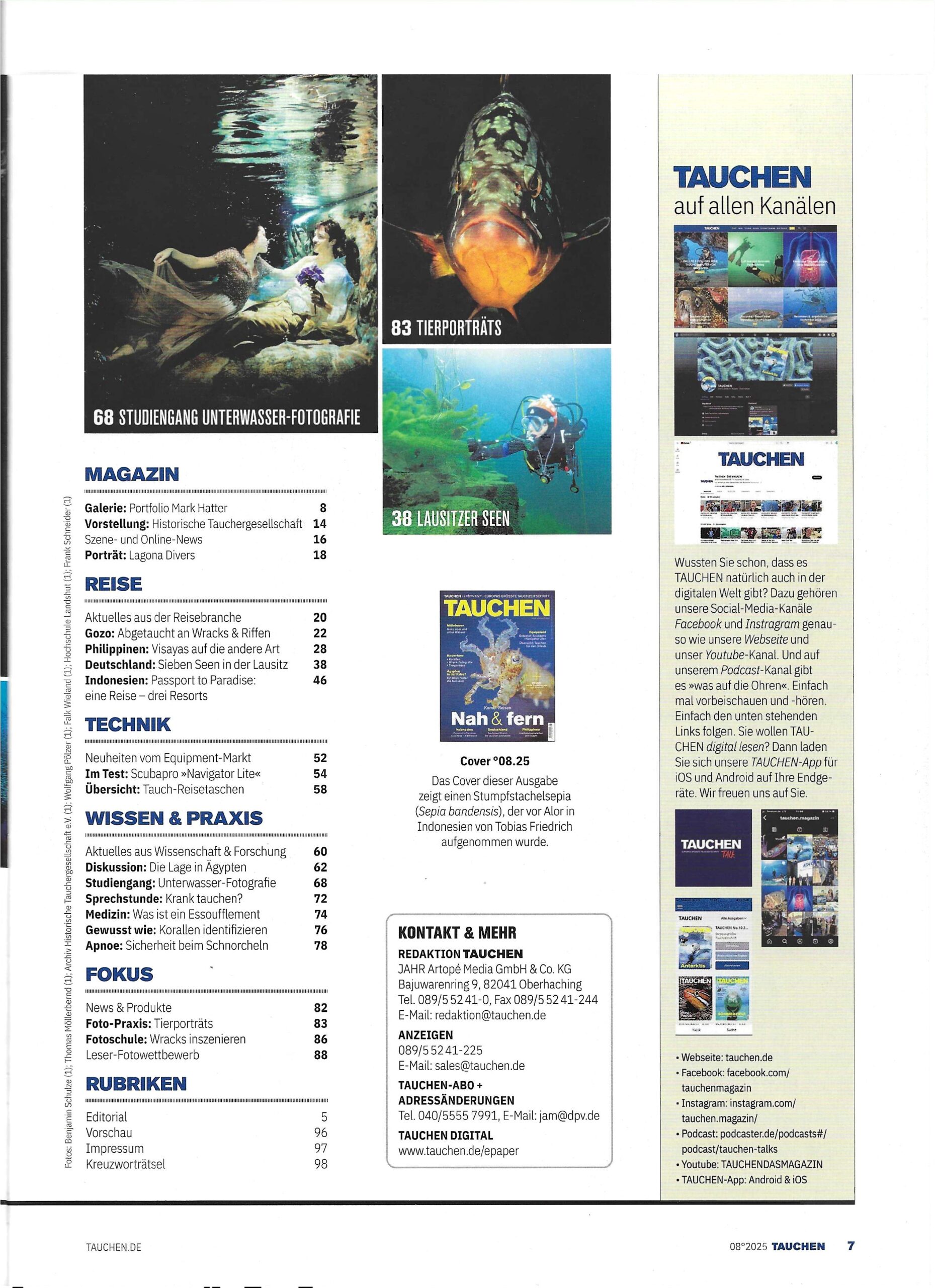
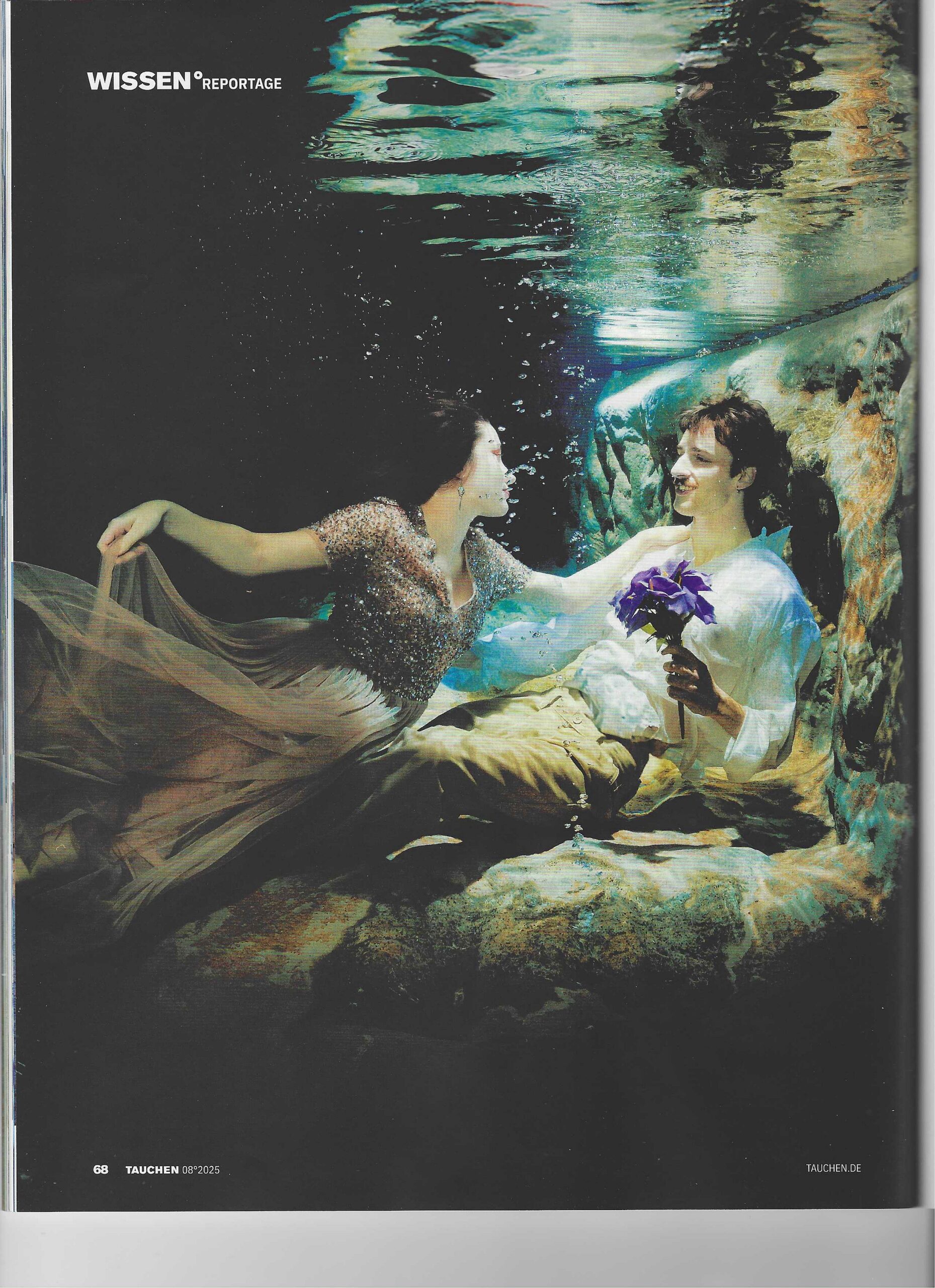
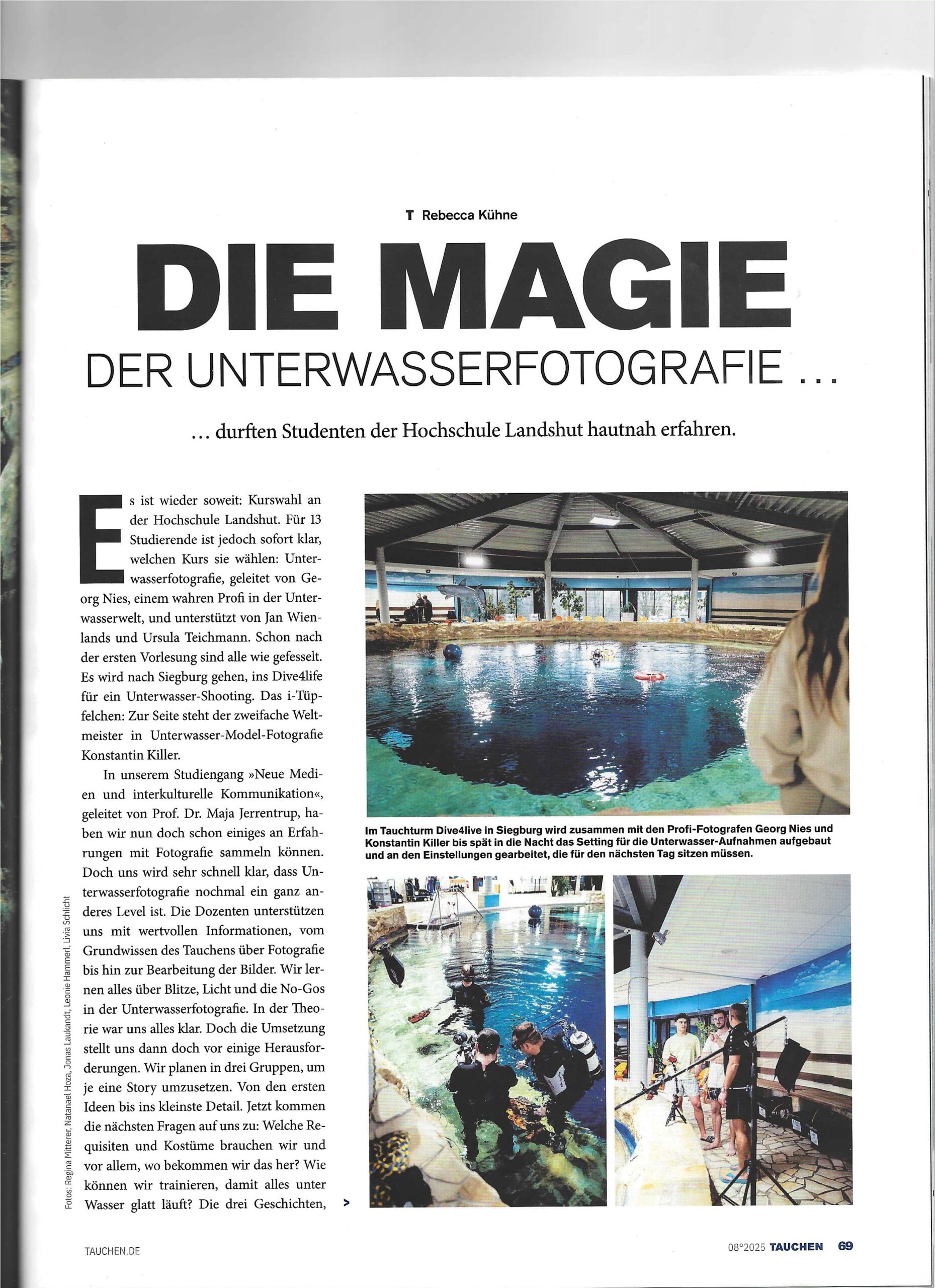
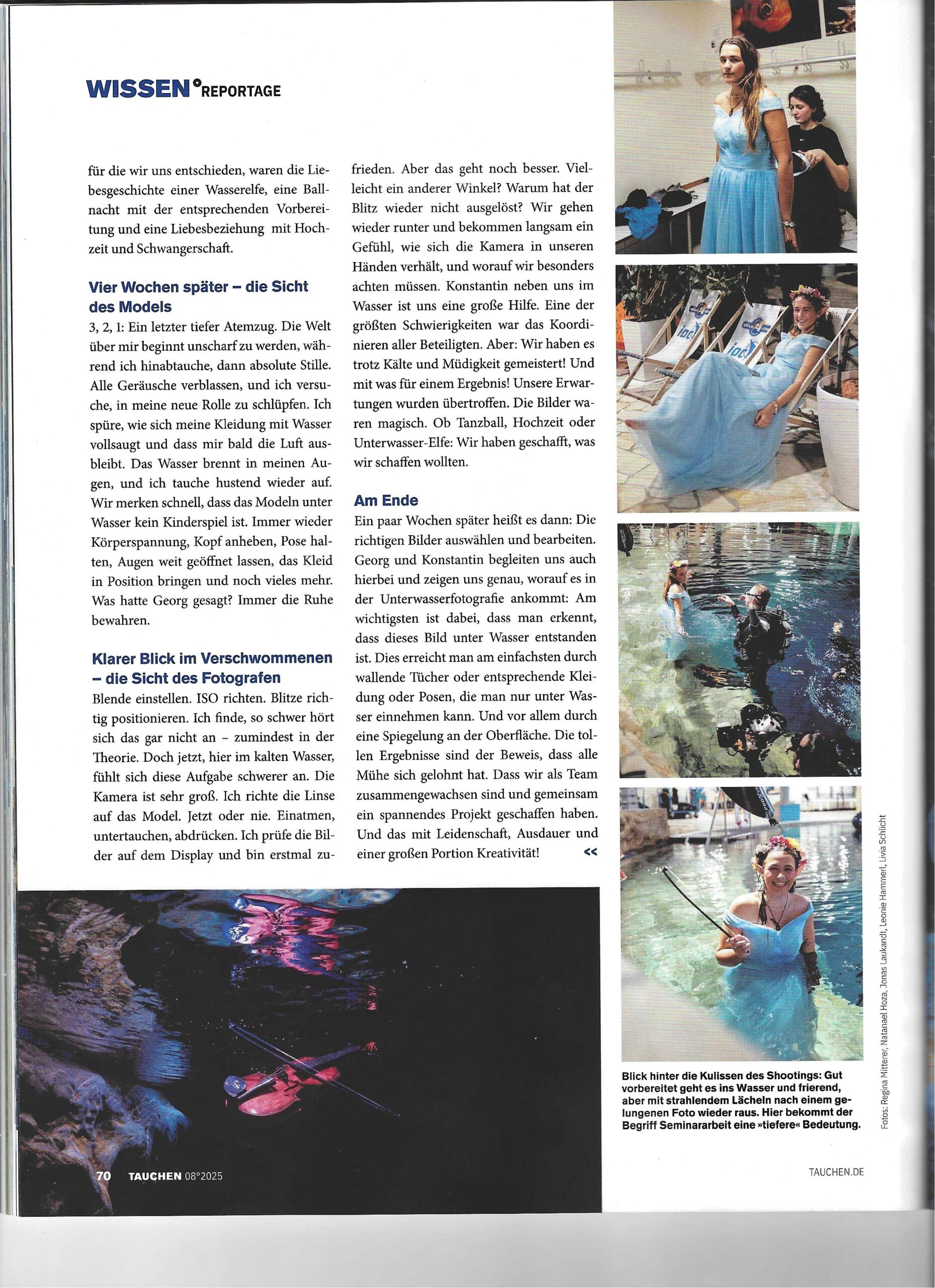
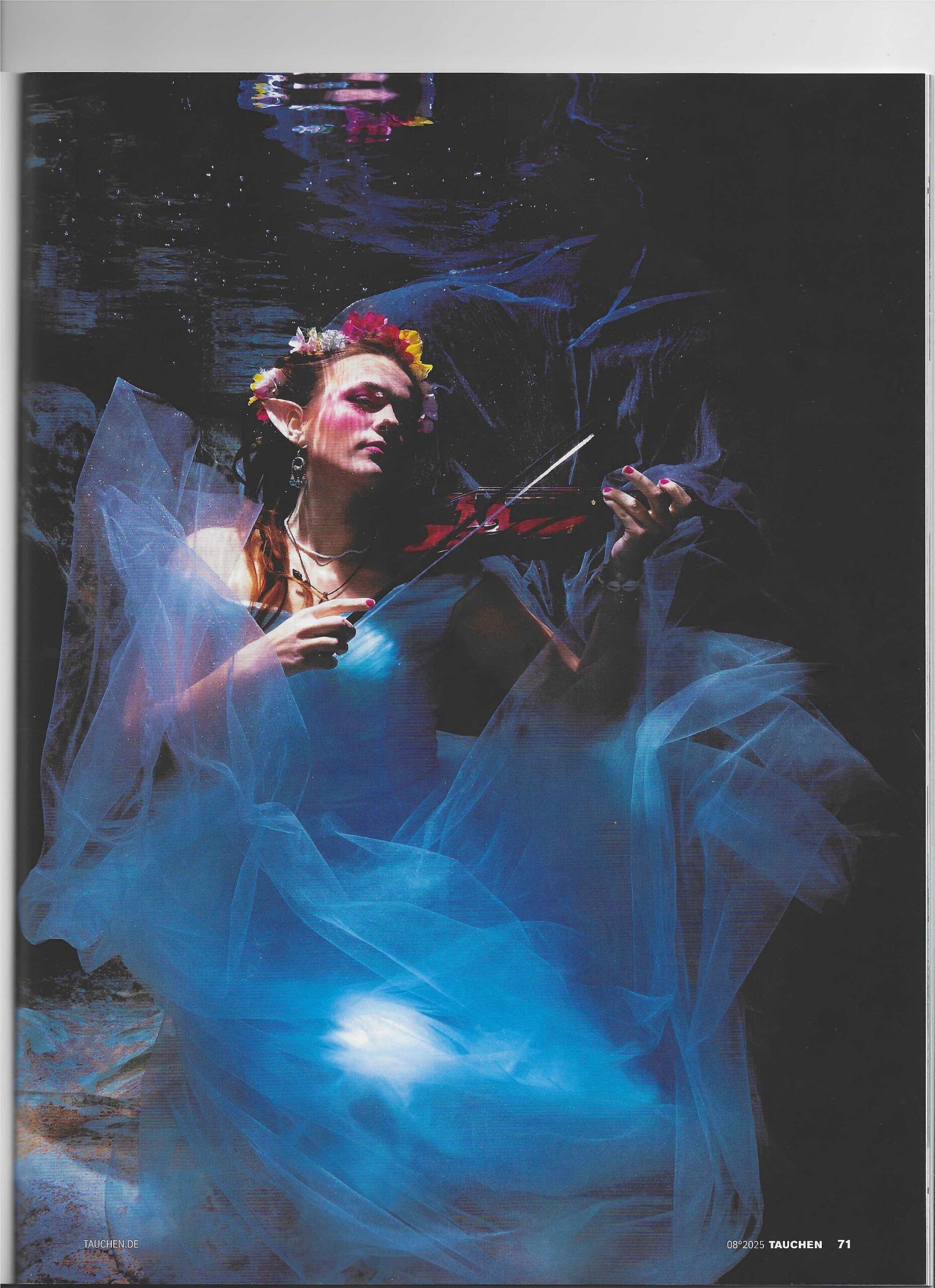
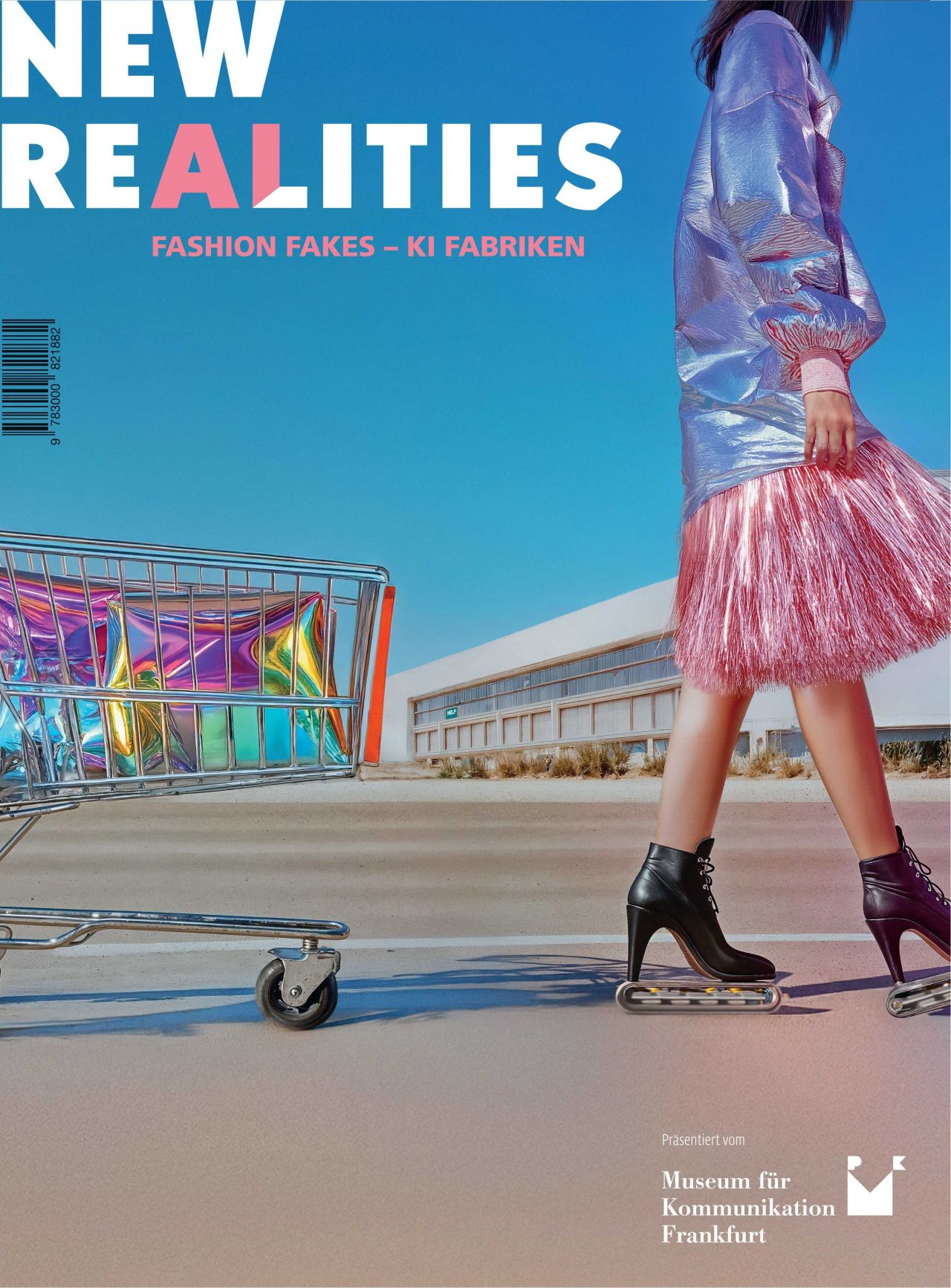
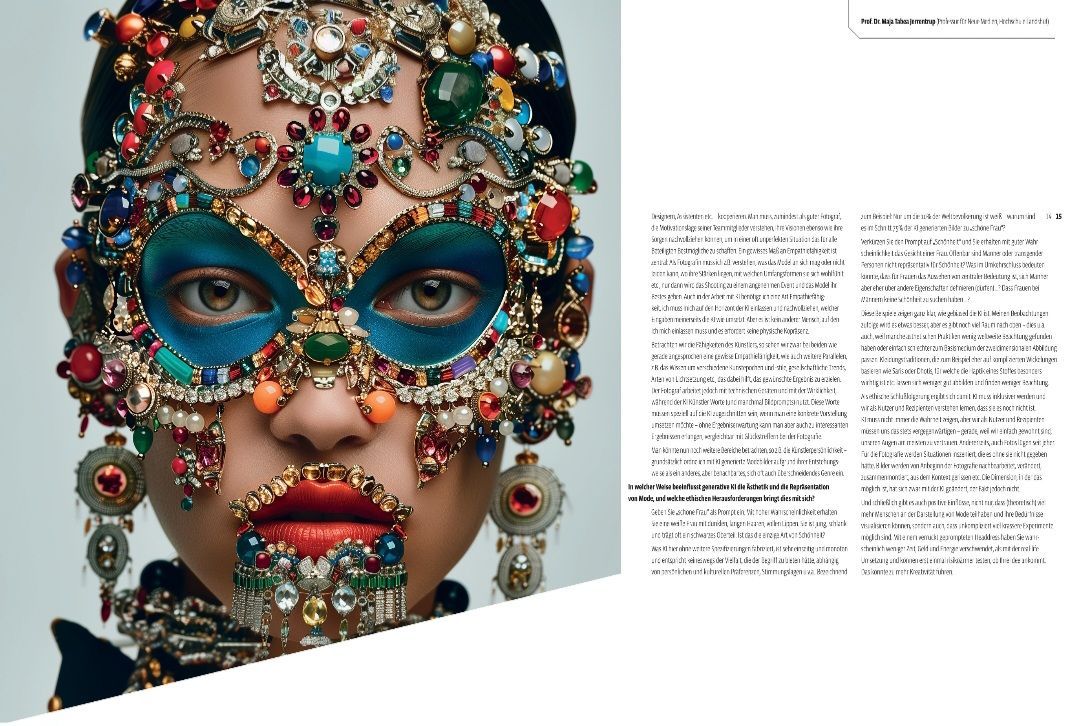
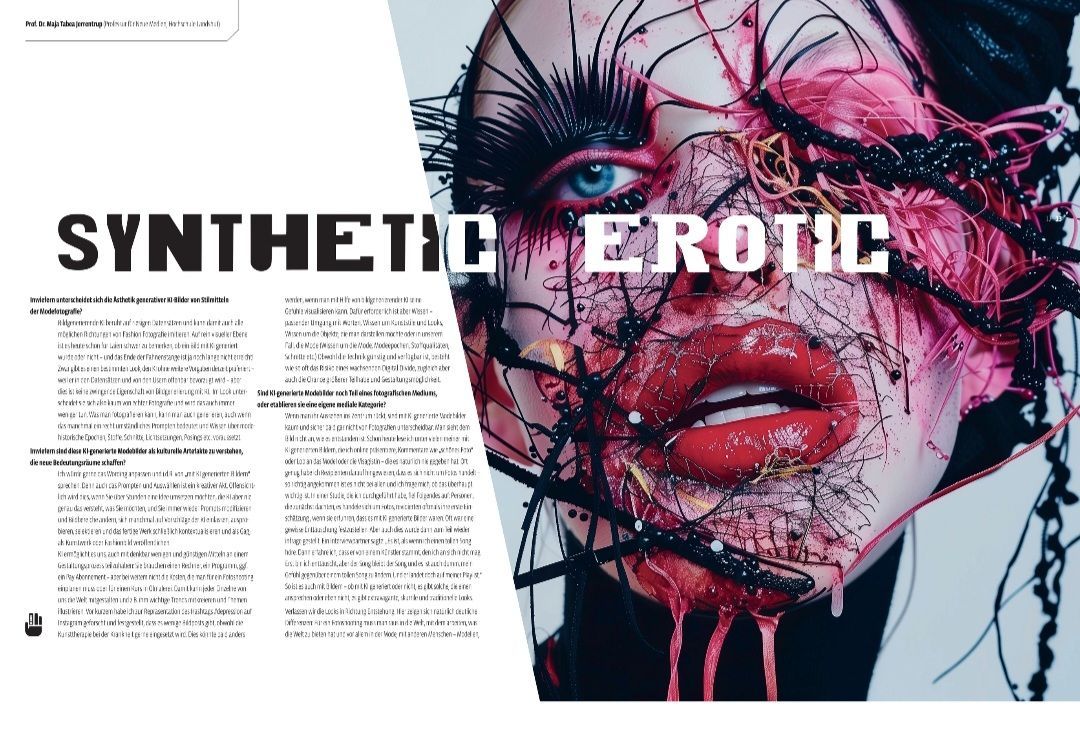
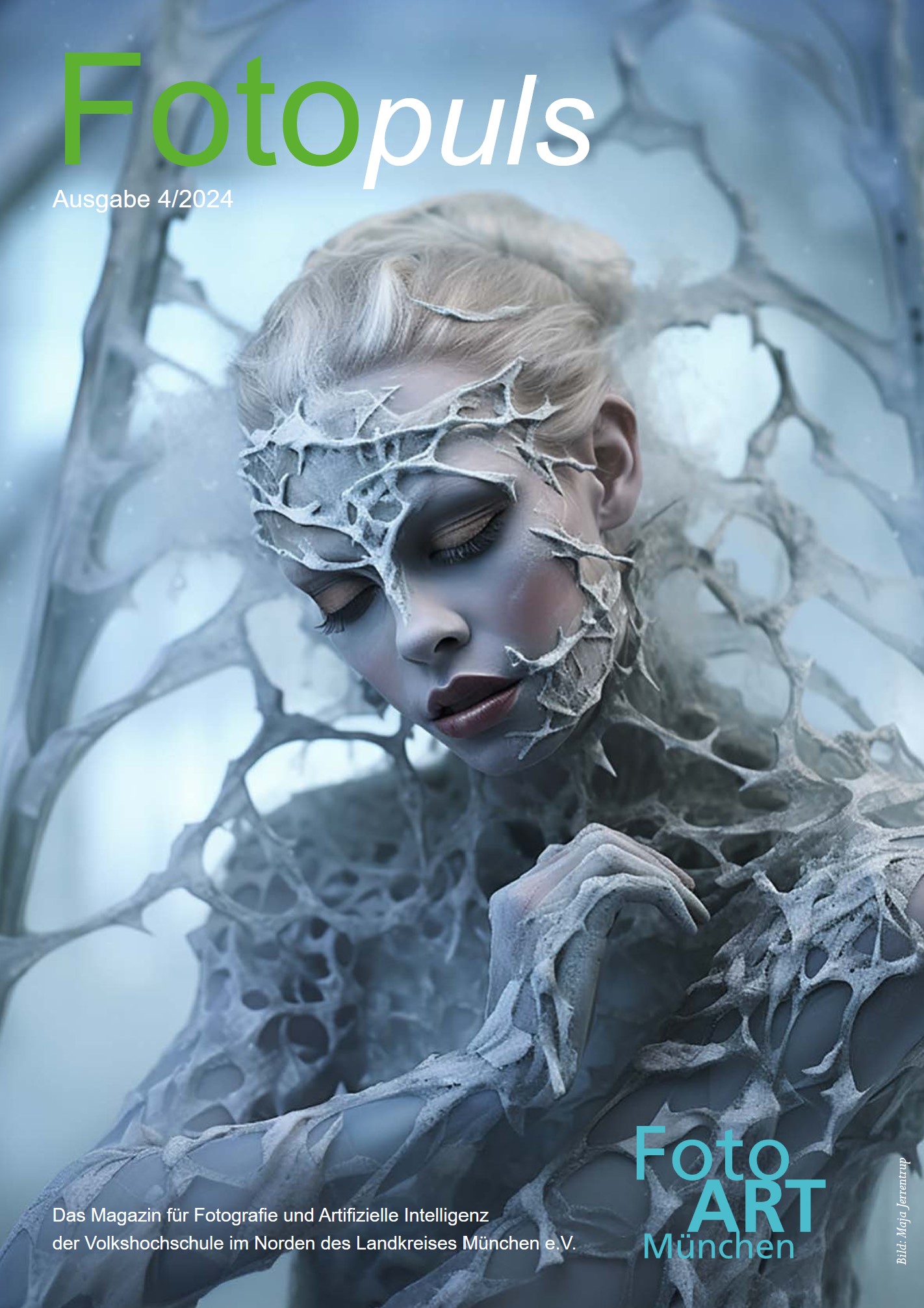
EINFALLSreich is the research magazine of Landshut University of Applied Sciences. Here, you can learn about the topics currently being explored and the projects that inspire us.